

Healthy Grilling in 2026: How to Savor the Season Safely and Deliciously
Grilling is one of the simplest pleasures of summer. It brings people together, keeps the heat out of the kitchen, and adds flavor to everything from chicken and seafood to peaches, zucchini, and corn.
As we pay closer attention to where our food comes from and how it supports our health, it is also worth considering how we prepare it. Grilling can absolutely be part of a healthy lifestyle, but a few simple choices can help reduce exposure to potentially harmful compounds while also protecting your family from foodborne illness.
The goal is not to give up the grill. It is to grill more thoughtfully.
Key Takeaways
- Choose lean, minimally processed proteins and make vegetables the foundation of the meal.
- Use moderate heat and avoid heavily blackened, burned, or charred food.
- Marinate proteins and manage flare-ups to reduce exposure to compounds created during high-heat cooking.
- Prevent cross-contamination and use a food thermometer rather than relying on appearance alone.
What Happens When Meat Is Cooked Over High Heat?
Cooking meat, poultry and fish at very high temperatures can produce compounds known as heterocyclic amines, or HCAs, and polycyclic aromatic hydrocarbons, or PAHs.
HCAs can form when amino acids, sugars and creatine in muscle meats react at high temperatures. They are more likely to develop when meat is cooked for a long time or becomes very well done, blackened, or charred.
PAHs can form when fat and juices drip onto hot coals or an open flame. The resulting smoke rises and may deposit these compounds onto the surface of the food.
Laboratory studies have shown that high levels of certain HCAs and PAHs can cause changes in DNA. Research examining grilled and high-temperature-cooked meats in humans has produced mixed results, however, and has not established that occasionally eating grilled food causes cancer.
Rather than creating unnecessary fear, this research gives us another reason to avoid routinely eating heavily charred meat and to use cooking methods that limit excessive smoke and burning.
Nine Ways to Make Grilling Healthier
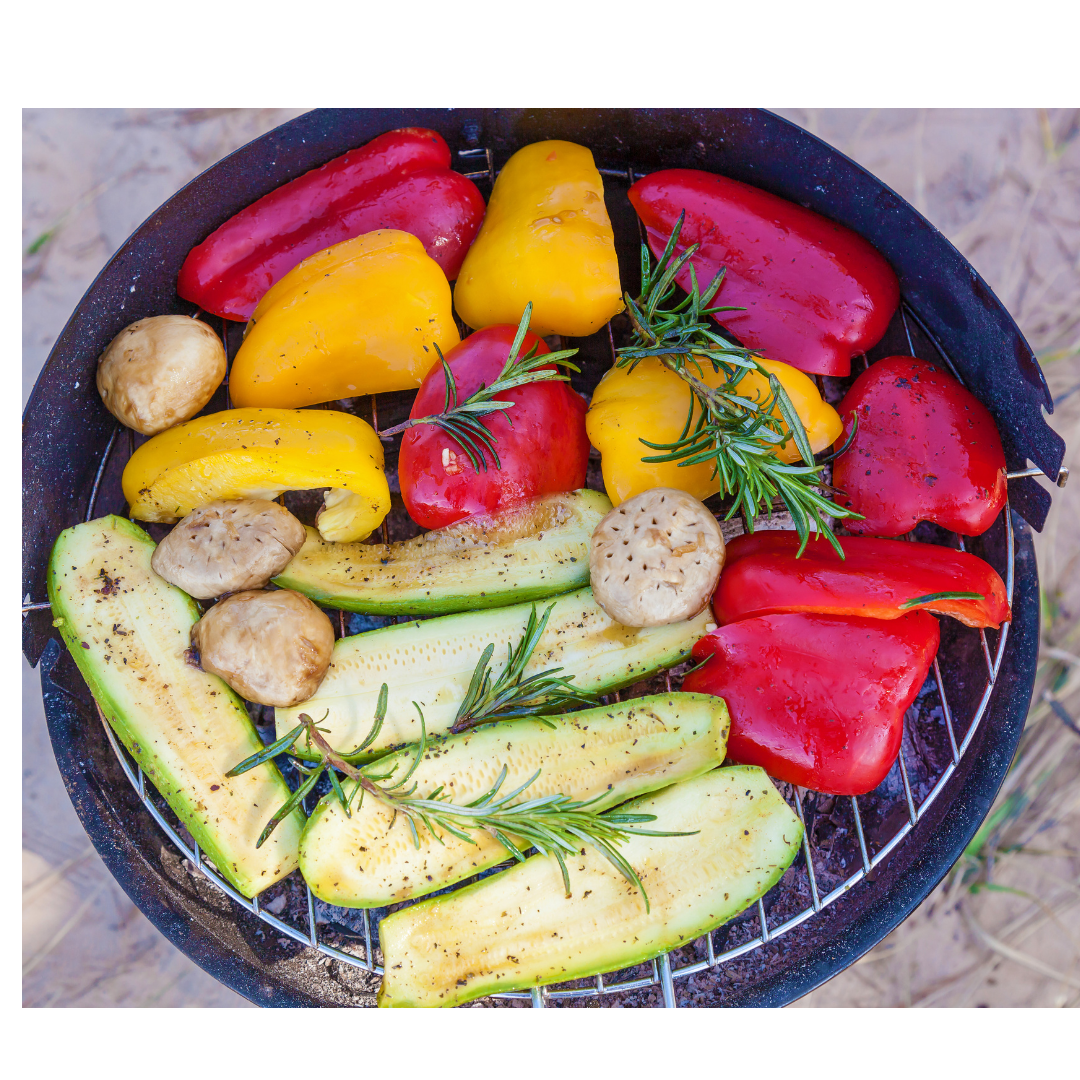
1. Build the Meal Around Plants
Vegetables and fruits do not form HCAs because they do not contain the same combination of creatine and amino acids found in muscle meat.
Try grilling:
- Zucchini and summer squash
- Bell peppers
- Mushrooms
- Eggplant
- Asparagus
- Onions
- Corn
- Romaine lettuce
- Peaches
- Pineapple
- Watermelon
Plant-based foods also contribute fiber, vitamins and antioxidants that help create a more balanced meal.
A simple approach is to fill at least half of the plate with vegetables, fruit or a fresh seasonal salad.
2. Choose Leaner, Minimally Processed Proteins
Lean proteins generally create fewer flare-ups because less fat drips onto the flame.
Good options include:
- Fish and shellfish
- Skinless chicken or turkey
- Lean cuts of beef or pork
- Bean-based or vegetable burgers
- Tofu or tempeh
Limit processed meats such as hot dogs, sausages and heavily processed burgers. Regardless of whether they are grilled, frequent consumption of processed meats is associated with health concerns and can contribute significant amounts of sodium and preservatives.
When possible, choose high-quality proteins that fit your budget and values. Organic, grass-fed or pasture-raised products may be personal preferences, but the most important grilling considerations are portion size, degree of charring and overall dietary pattern.
3. Marinate Before Grilling
Marinating meat, poultry or seafood can improve flavor, retain moisture and may reduce the formation of some compounds associated with high-temperature cooking.
Use marinades made with ingredients such as:
- Lemon, lime or vinegar
- Olive or avocado oil
- Garlic
- Ginger
- Rosemary
- Thyme
- Oregano
- Turmeric
- Paprika
- Black pepper
Marinate meat and poultry in the refrigerator, not on the counter. Seafood usually needs less time because acidic marinades can begin to change its texture.
Never reuse marinade that has touched raw meat unless you first bring it to a full boil. A better option is to reserve a clean portion before adding the raw protein.
4. Use Moderate Heat
Extremely high heat may create grill marks quickly, but it also increases the chance of burning the outside before the inside is safely cooked.
Preheat the grill, then use medium or medium-high heat rather than keeping every burner on its highest setting. For charcoal grills, arrange the coals so that you have both a hot zone and a cooler zone.
This two-zone approach allows you to sear food briefly and then move it away from direct flames to finish cooking.
5. Reduce Flare-Ups and Smoke
Flare-ups occur when fat and juices drip onto the heat source. To reduce them:
- Select leaner cuts.
- Trim visible excess fat.
- Avoid pressing burgers with a spatula.
- Keep a cooler section of the grill available.
- Move food away from active flames.
- Use a grill basket or foil packet when appropriate.
- Consider placing a drip pan beneath foods cooked with indirect heat.
Gas grills may make temperature and flame control easier, but both gas and charcoal grills can be used safely when heat and flare-ups are managed properly.
6. Avoid Heavy Charring
A small amount of browning can add flavor, but blackened or burned sections should not be the goal.
Turn food as needed to prevent scorching and move it to a cooler area if flames begin touching the food. Remove heavily charred portions before eating.
Thinner cuts, smaller portions and kebabs can also cook more quickly, reducing the amount of time food spends over high heat.
7. Cook Food Completely
Color and grill marks are not reliable indicators that meat is safe to eat. Use a clean food thermometer and check the thickest portion of the food.
Recommended minimum internal temperatures include:
- Beef, pork, lamb and veal steaks, chops and roasts: 145°F, followed by a three-minute rest
- Fish and shellfish: 145°F
- Ground beef, pork, lamb and veal: 160°F
- All poultry, including ground poultry: 165°F
Precooking meat briefly in a microwave or oven may shorten grilling time, but it should be transferred immediately to a preheated grill and cooked to its safe internal temperature. Do not partially cook meat and refrigerate it to finish later.
8. Prevent Cross-Contamination
Some of the most immediate health risks at a cookout come from bacteria, not the grill itself.
Keep raw meat, poultry, and seafood separate from produce and prepared foods. Use different cutting boards, utensils and plates whenever possible.
Do not return cooked food to the plate that held it when it was raw. Wash your hands thoroughly after handling raw proteins, and clean the food thermometer between uses.
Keep refrigerated food cold until it is ready to cook. Perishable food should not remain at room temperature for more than two hours, or more than one hour when the outdoor temperature is above 90°F.
9. Keep the Grill Clean
A clean grill helps prevent food from sticking and keeps old, burned residue from transferring to a new meal.
Before cooking:
- Preheat the grill.
- Remove residue from the grates using an appropriate grill-cleaning tool.
- Wipe the grates carefully.
- Inspect the grill for grease buildup.
- Make sure gas lines, burners, and ventilation openings are functioning properly.
Clean grill baskets, thermometers, tongs and other utensils after each use.
A Healthier Grilling Plate
Rather than making a large portion of meat the center of every cookout, consider building your plate with:
- One-half grilled or fresh vegetables
- One-quarter lean protein
- One-quarter whole grains, beans or a fiber-rich side
Try pairing grilled chicken or fish with quinoa, tabbouleh, a tomato and cucumber salad, grilled corn, lentils or a bean salad. Top grilled vegetables with fresh herbs, tahini, pesto, chimichurri or a yogurt-based sauce.
Grilling can also make nutritious foods more appealing. A lightly charred peach, piece of salmon or skewer of colorful vegetables may encourage people to try foods they might otherwise skip.
Enjoy the Grill Without Fear
There is no reason to cancel the cookout or throw away the grill. Health is shaped by patterns over time, not by one summer meal.
Choose a variety of whole foods, limit processed meats, manage the heat, avoid frequent charring and follow basic food-safety practices. These small changes allow you to enjoy the flavor and connection of grilling season while making the meal more supportive of your long-term health.
Fire up the grill, invite people you enjoy, and make plants, color, and variety part of the celebration.