

logo

Welcome to Thrive

THRIVE is a collaborative platform of conventional, integrative, & functional medicine practitioners coming together in one setting to provide personalized healthcare to clients.
Working Hours
Monday - Friday 8:00AM - 5:00PM EST

Cart

M - Th 8a - 5p, F 8a - 4p, Sa 10a - 1p, Su - Closed

(704)-390-7150

6401 Carnegie Blvd, Suite 2A, Charlotte, NC 28211

Top

Health

Thrive Carolinas / Health

The Lost Art of Letter Writing

By: Dr. Nancy Palermo “A letter does not have to be eloquent. It does not have to be long. It doesn’t even need to be sent. It simply needs to be real.” — Ronda Beaman, author of A Life in Letters Our world is built on speed, efficiency, multitasking, and producing work with very little thought. Letter writing, however, is wonderfully inefficient. It is slow, intentional, and thought-provoking for both the writer and the recipient. Writing a letter forces us to slow down and be present. It encourages us to reflect on why we are writing and carefully consider the thoughts and emotions we want to express. In doing so, we often organize our beliefs, process unresolved feelings, and gain clarity about experiences that have shaped us. Letters of forgiveness,...

Share

Summer, the Fire Element & Heart Balance in Chinese Medicine

By: Dr. Scott Greenapple Greenapple Acupuncture / Qi Gong / Meditation/Electro-Medical Acupuncture/Functional Sports Medicine/Dry Needling Thrive Carolinas Functional and Integrative Medical Summer is the season of expansion. The days are longer, the sun is stronger, and nature is in full bloom. In Chinese Medicine, summer is associated with the Fire element, the Heart, joy, connection, movement, warmth, and the full expression of life. But, as with all things in Chinese Medicine, balance is the key. A healthy Fire element brings warmth, enthusiasm, laughter, compassion, connection, and a sense of openness. When Fire becomes excessive or unbalanced, it may show up as anxiety, restlessness, irritability, insomnia, agitation, heart palpitations, overheating, digestive upset, or feeling emotionally “scattered.” In my almost 40 years of clinical practice, combining Chinese Medicine, acupuncture, Qi Gong, meditation, breathwork, sports...

Share
The Return of the Presidential Awards The Push-Up Challenge

The Return of the Presidential Awards: The Push-Up Challenge

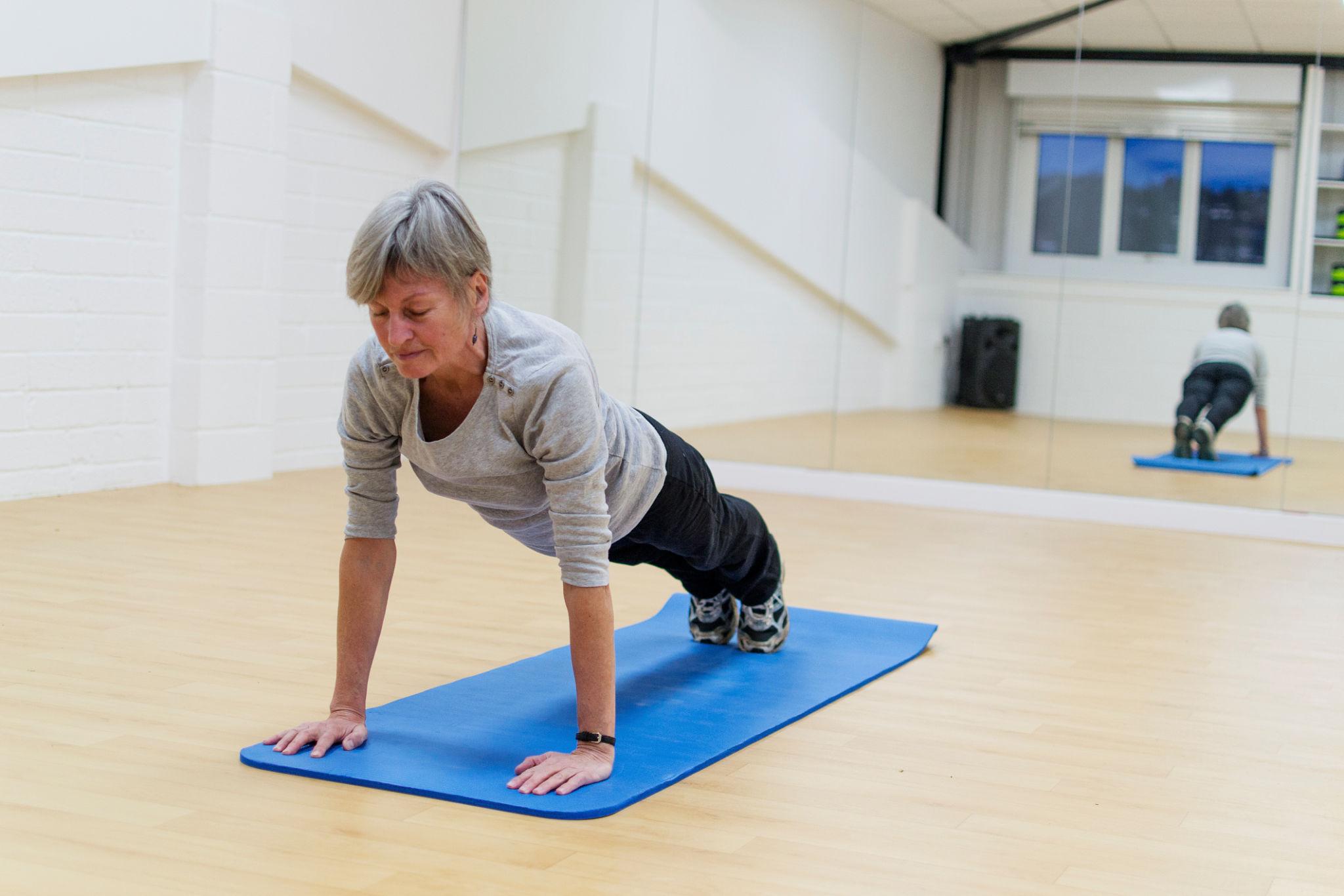
Why are push-ups considered one of the best exercises? Push-ups are a highly effective bodyweight exercise that strengthens the chest, shoulders, triceps, core, and stabilizing muscles. They can improve strength, cardiovascular fitness, glucose metabolism, and overall functional fitness without requiring any equipment. By Nancy A. Palermo, MD The Presidential Fitness Award is given to those who can perform at least 25 push-ups (women) or 50 push-ups (men) in 60 seconds. One of the best things about push-ups? No gym. No equipment. No excuses. Yet many adults struggle to perform even a single push-up. So why should we make push-ups part of our daily routine? Because a single push-up can trigger measurable changes in the body related to muscle strength, metabolism, cardiovascular health, and even brain function. Imagine what 10, 25, or...

Share

The Mind-Body Approach to Health: Hypnosis, Mindfulness, Qi Gong, and the Gut Brain Connection: 

By: Dr. Scott Greenapple We are consciously aware of only a small portion of what the mind-body system is processing. Much of our behavior is shaped by automatic, subconscious patterns. This is one of the key ideas behind mind-body healing. The body is constantly responding to signals beneath the surface: stress, breath patterns, emotional memory, muscle tension, digestive reactivity, and whether the nervous system feels safe or threatened. That is why practices such as hypnosis, mindfulness, and Qi Gong can be so helpful. They do not simply ask us to “think positive.” They help the nervous system experience calm, safety, and regulation. The Gut-Brain Connection The gut and brain are in constant communication. This is especially important with conditions such as IBS, where the digestive system can become highly...

Share

Fibermaxxing: How to Increase Fiber Intake Safely

There is always a new trend on social media that catches everyone’s attention. One of the newest is Fibermaxxing, a trend that encourages people to load up on fiber-rich foods and added fibers. While increasing fiber intake is beneficial, doing so too much too quickly can lead to undesirable side effects such as bloating, gas, and diarrhea. As with anything, rapid changes often lead to discomfort—and ultimately discontinuation. Why Fiber Matters for Your Health No one disagrees that Americans need more fiber. The standard American diet, often high in processed foods, typically lacks adequate fiber. It is estimated that the average American consumes less than 12 grams of fiber per day, well below the recommended 25–35 grams daily. Increasing fiber intake can: Support a healthy gut microbiome Help regulate blood...

Share
Couple embracing under a sunset, symbolizing connection, intimacy, and whole-body wellness

A Valentine’s Aphrodisiac That Lasts: How Whole-Body Health Supports Desire

Valentine’s Day tends to focus on grand gestures, flowers, chocolates, and reservations made weeks in advance. But if we’re honest, romance doesn’t start with what’s on the table. It starts with how you feel in your body. Energy. Mood. Hormonal balance. Confidence. These are the real aphrodisiacs, and February is a perfect time to focus on them. As we head into Valentine’s Day 2026, consider this your reminder: supporting intimacy is really about supporting health. Desire Is a Whole-Body Conversation Libido isn’t controlled by a single switch. It’s influenced by ongoing conversations among hormones, metabolism, stress levels, sleep quality, and nutrition. When one piece is out of sync, chronic stress, poor sleep, blood sugar swings, and nutrient deficiencies often take a back seat. That’s why quick fixes rarely work. Sustainable intimacy comes...

Share
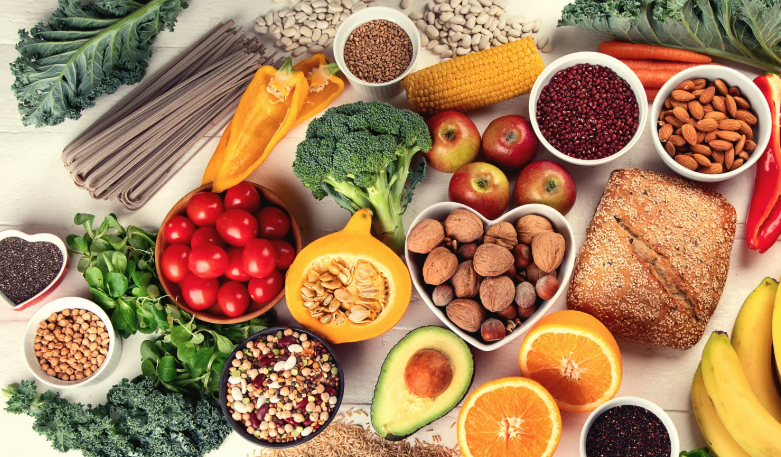
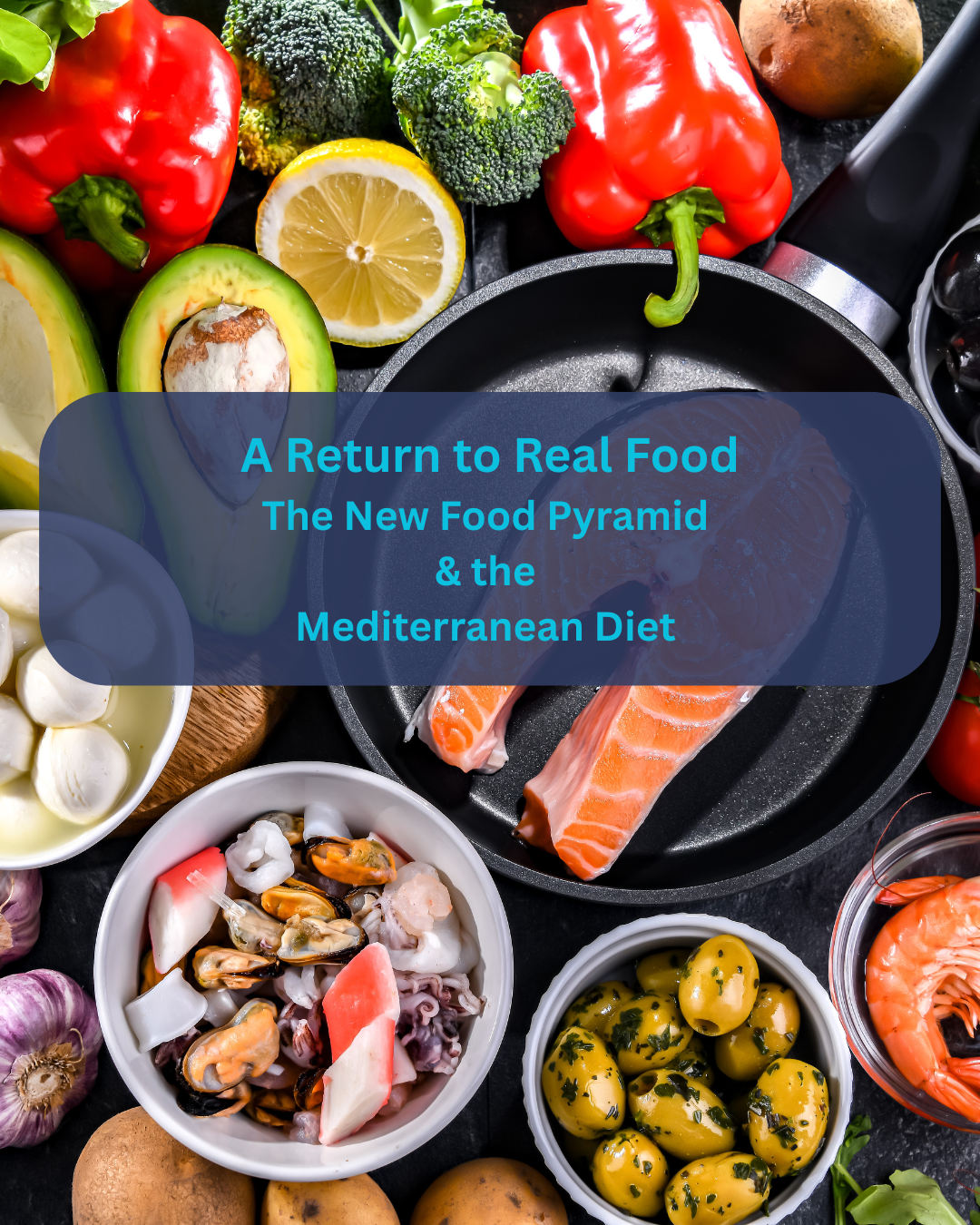
Colorful Mediterranean meal with olive oil, vegetables, legumes, fish, and whole foods arranged on a shared table.

The New Food Pyramid & the Mediterranean Diet: A Return to Real Food

By Nancy A. Palermo, MD The newly released 2025–2030 Dietary Guidelines represent one of the most meaningful shifts in federal nutrition policy we’ve seen in decades. For the first time in a long while, national guidance is beginning to align with what science and common sense have been telling us all along: real, whole foods support health, while highly processed foods drive disease. From a Functional Medicine perspective, this change is long overdue. The updated guidelines are illustrated using an upside-down food pyramid, emphasizing whole, nutrient-dense foods at the foundation, particularly protein, healthy fats, and lower-glycemic carbohydrates. While the recommendations are not perfect, they signal an important shift toward prevention, metabolic health, and longevity. At its core, this new pyramid closely mirrors the principles of the Mediterranean diet, one...

Share

Cooking at Home: A Non-negotiable Tool to Optimize Health

“Any valuable tool should be simple. That does not mean it will be easy, but if it does need to be simple.” One of the most powerful tools for optimizing your health is a balanced diet. The only way to truly control your diet is to cook at home. When you cook your food, you know where the ingredients came from and what you put into the recipes. That is why we are so passionate about sharing kitchen ideas and recipes. Even before opening our doors at Thrive, we provided cooking classes at Whole Foods. We know that to aid our patients on their health journey, motivating them to cook is key. Cooking does not have to be intimidating or complicated. The more you make cooking at home a...

Share

Why 10,000 Steps a Day Isn’t the Magic Number

By Nancy A. Palermo, MD You’ve probably heard the popular health advice: “Get 10,000 steps a day.” But is this daily step goal rooted in science? The Origin of the 10,000-Step Myth Surprisingly, the 10,000-step recommendation didn’t come from medical research; it originated from a Japanese pedometer marketing campaign in the 1960s. Since then, it’s been widely adopted by health apps, fitness trackers, and wellness guidelines—despite lacking clinical evidence. What the Research Really Says A 2023 meta-analysis published in The Lancet reviewed multiple studies from 2014 onward, analyzing the impact of daily step counts on chronic health conditions. The researchers found that significant health benefits occur at much lower step counts than 10,000. In fact, just 7,000 steps per day was associated with the following risk reductions (compared to 2,000 steps/day): ...

Share

Are Hidden Chemicals in Your Food Packaging Harming Your Health?

More than 10,000 chemicals are still approved for use in food and food packaging materials in the United States, and many of them may be doing more harm than good. A growing body of research shows that many of these chemicals are endocrine disruptors, meaning they interfere with your body’s hormonal systems. These disruptions can contribute to a wide range of health problems, including developmental, reproductive, neurological, and immune disorders. Where Are These Chemicals Found? These harmful substances often hide in everyday items like: Plastic bottles (disposable and reusable) The linings of canned foods Cosmetics and personal care products Detergents and cleaning products Toys Thermal paper receipts Food packaging and wrappers Chemicals to Avoid in Plastics Here are some of the most concerning chemicals still commonly used: Phthalates: Found in...

Share
Subscribe!