
logo

Welcome to Thrive

THRIVE is a collaborative platform of conventional, integrative, & functional medicine practitioners coming together in one setting to provide personalized healthcare to clients.
Working Hours
Monday - Friday 8:00AM - 5:00PM EST

Cart

M - Th 8a - 5p, F 8a - 4p, Sa 10a - 1p, Su - Closed

(704)-390-7150

6401 Carnegie Blvd, Suite 2A, Charlotte, NC 28211

Top

Healthy Life

Thrive Carolinas / Healthy Life
Colorful plate of fruits and vegetables illustrating the 3-color rule and eating the rainbow

The 3-Color Rule: A Simple Way to Eat the Rainbow

What is the 3-color rule for eating? The 3-color rule encourages you to include at least three different colors of plant foods in a meal. Different colors often provide different vitamins, minerals, fiber, and phytonutrients, helping increase plant diversity and support gut health, heart health, immunity, and overall nutrition. It seems many people now look to social media for health information and recommendations. We have heard everything from Proteinmaxxing to Fibermaxxing, and now one of the newest trends is the 3-color rule. Many of these trends begin with science-backed ideas, but social media has a way of pushing recommendations to the extreme. Some of the people sharing this advice have no medical background and are simply trying to attract followers. Overdoing protein or fiber, for example, can lead...

Share
Organized home office with clean workspace promoting focus, reduced stress, and mental wellness

The Health Benefits of Decluttering

Health Benefits of Decluttering By Nancy A. Palermo, MD We all have clutter in our lives: the junk drawer in the kitchen, the overflowing hall closet, or the growing pile of shoes in the bedroom. While clutter may seem like little more than a visual nuisance, research suggests it can significantly affect how our brains function. This week's challenge is simple: declutter one small area every day. Before you begin, let's look at why this habit can be so beneficial for your health. The Neuroscience of Clutter Managing clutter in both your environment and your mind can help improve attention, reduce stress, enhance cognitive function, and even improve sleep. Life gets busy, and clutter happens. But when we're surrounded by piles of papers, overflowing laundry, unopened mail, and disorganized workspaces, our brains...

Share
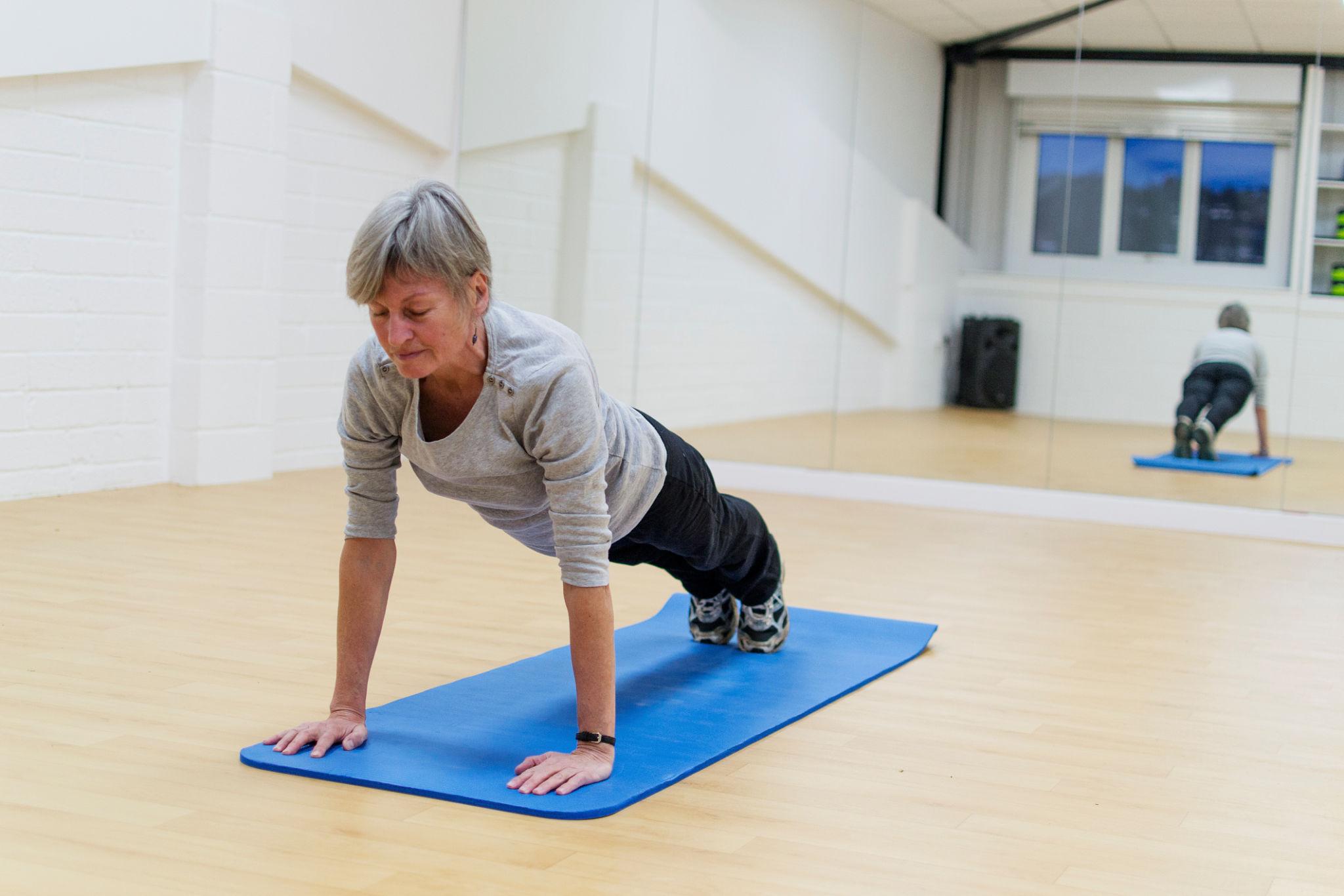
A person demonstrating proper form push-up alignment on a fitness mat for strength training

The Return of the Presidential Awards: The Push-Up Challenge

Why are push-ups considered one of the best exercises? Push-ups are a highly effective bodyweight exercise that strengthens the chest, shoulders, triceps, core, and stabilizing muscles. They can improve strength, cardiovascular fitness, glucose metabolism, and overall functional fitness without requiring any equipment. By Nancy A. Palermo, MD The Presidential Fitness Award is given to those who can perform at least 25 push-ups (women) or 50 push-ups (men) in 60 seconds. One of the best things about push-ups? No gym. No equipment. No excuses. Yet many adults struggle to perform even a single push-up. So why should we make push-ups part of our daily routine? Because a single push-up can trigger measurable changes in the body related to muscle strength, metabolism, cardiovascular health, and even brain function. Imagine what 10, 25, or...

Share
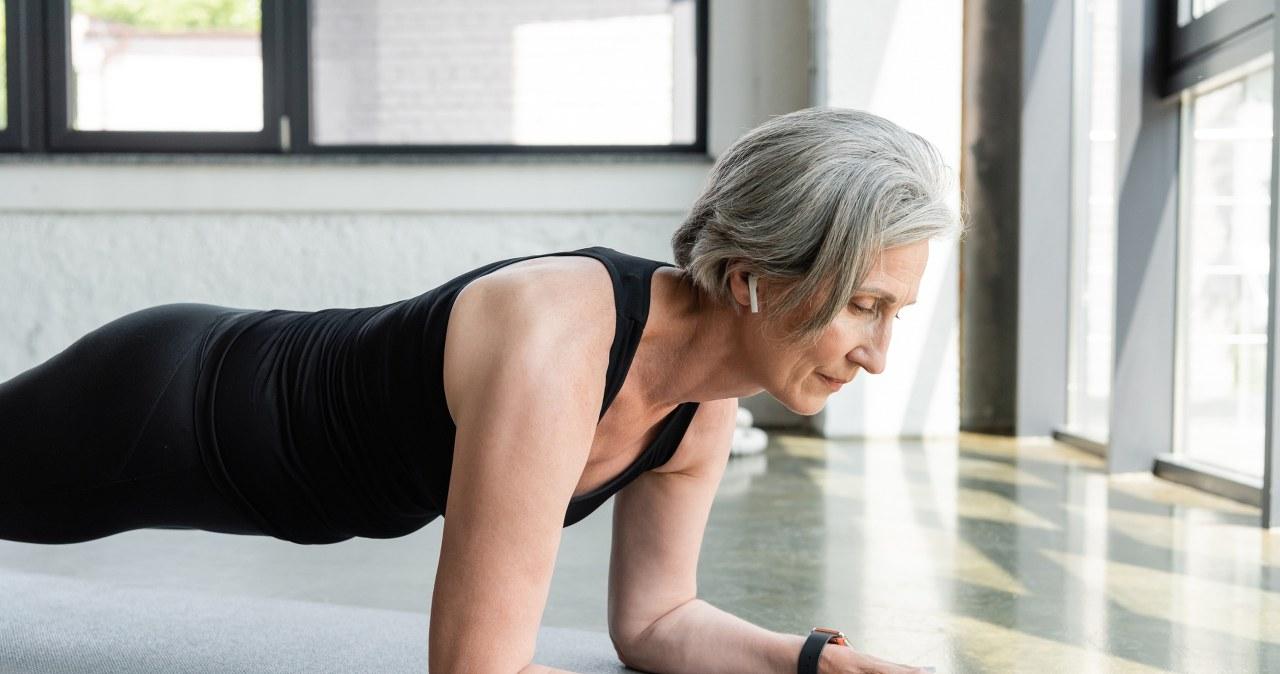
An athlete performing a bodyweight core exercise on a yoga mat, showcasing a daily core workout at home

The Return of the Presidential Awards: Abdominal & Core Work

What are the benefits of daily core exercises? Daily core exercises help improve balance, posture, stability, and athletic performance while reducing the risk of lower back pain and injury. Strengthening the abdominal and core muscles also supports healthy aging, mobility, and overall fitness. By Nancy A. Palermo, MD Summer is here, and many of us will be showing off our abs. Of course, we want to feel more confident and look good, but having a strong core goes beyond showing off the six-pack. Having a strong core is important for balance and stability, and most sports and physical activities depend on it. Core exercises can help to define your abdominal muscles, but optimizing your diet is paramount if you want them to be more defined. Strong core muscles...

Share

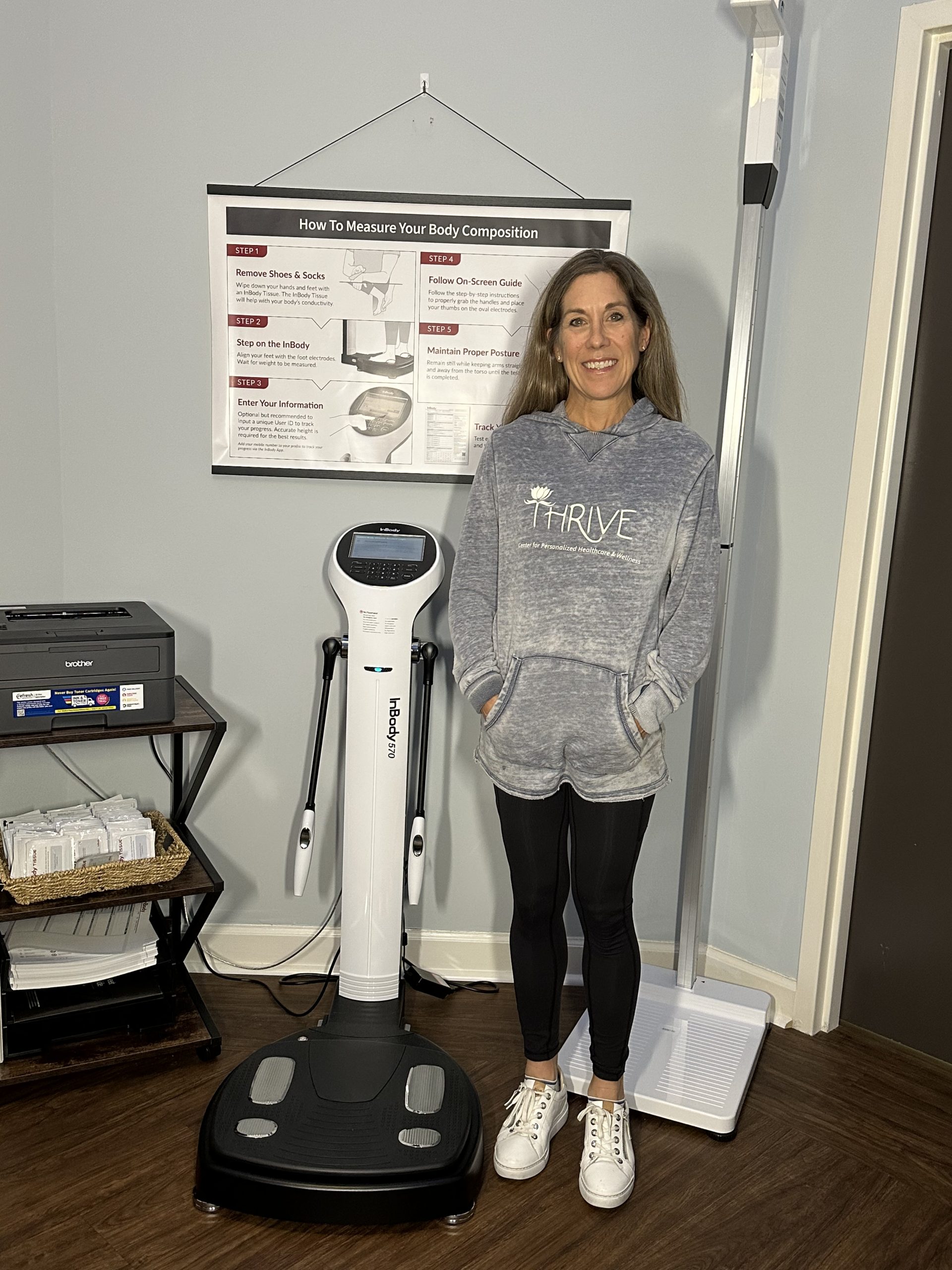
Why You Need to Pay Attention to Body Composition

By Nancy A. Palermo, MD Recent research continues to highlight the importance of strength training for health and longevity. As we learn more about the role of muscle in metabolic health and chronic disease prevention, it becomes clear that building and maintaining muscle should be a key part of any wellness plan. However, as we build muscle, we can no longer rely solely on the scale to measure progress. The weight we have been striving for may be far less meaningful than our overall body composition. What Is Body Composition? Body composition refers to the percentages of fat mass and lean mass that make up your total body weight. Fat mass includes: Subcutaneous fat (the fat beneath your skin) Visceral fat (the fat surrounding your organs) Lean mass includes: Skeletal muscle ...

Share
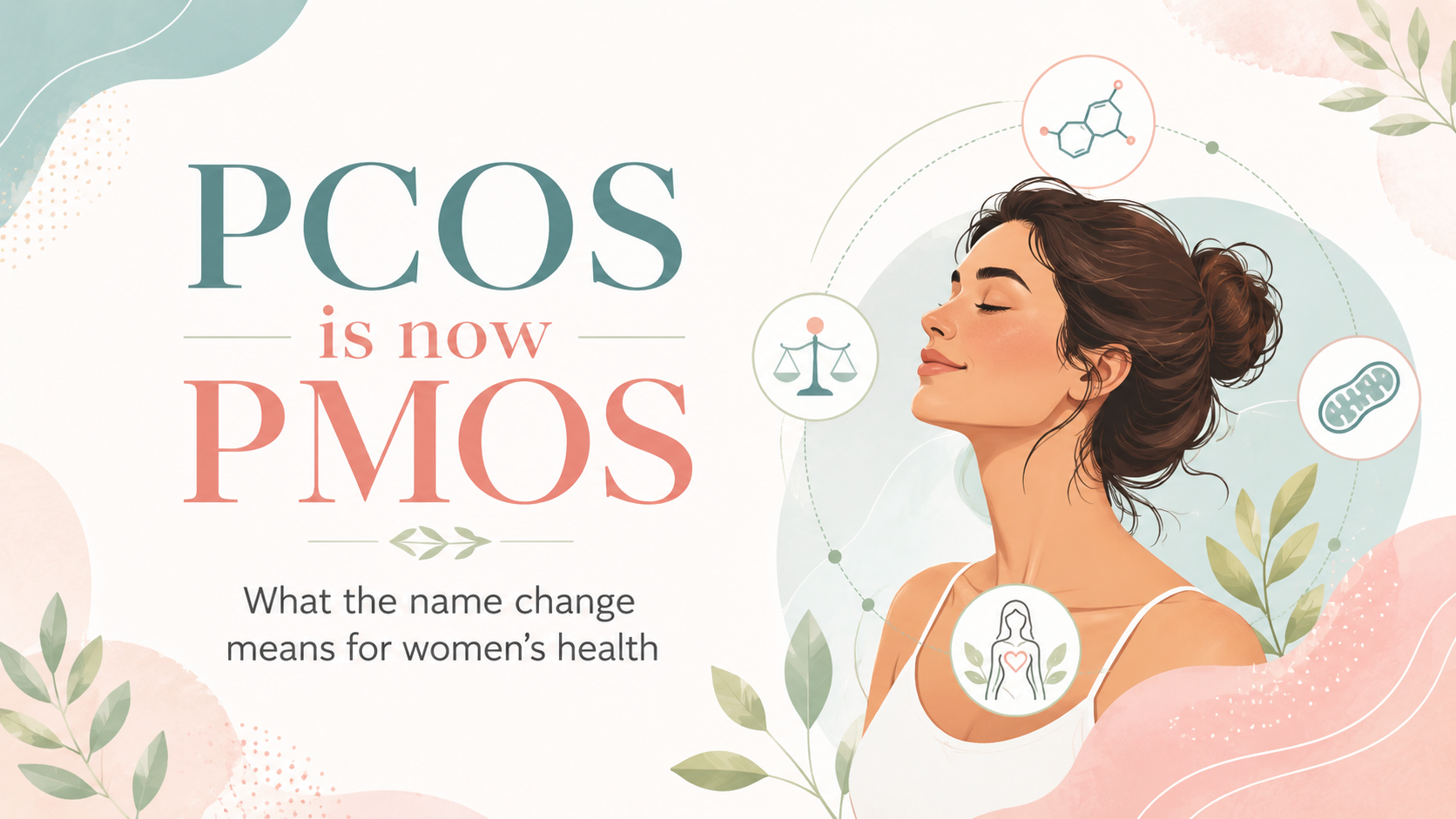
Medical illustration or graphic explaining the shift from PCOS to PMOS and what it means for hormone health at Thrive Carolinas

PCOS Has a New Name: What PMOS Means for Women’s Health

Written by: Dr. Amy Fletcher Edited by: Thrive Carolinas For years, Polycystic Ovary Syndrome, commonly known as PCOS, has been one of the most common yet misunderstood hormone conditions affecting women. Now, the condition has a new name: Polyendocrine Metabolic Ovarian Syndrome, or PMOS. While the name may sound more complicated at first, the change is meant to make the condition easier to understand and more accurately describe what is really happening in the body. PCOS was never just about ovarian cysts. In fact, many women with the condition do not have true ovarian cysts at all. The older name often led people to think of PCOS as only a reproductive or gynecologic condition. But we now understand that this condition affects multiple systems in the body, including hormones,...

Share

Summer Health Do’s and Don’ts for 2026

Summer is a season of sunshine, vacations, outdoor activities, and time spent with family and friends. While the longer days and warmer temperatures offer many opportunities to recharge, they can also present unique challenges for your health. Whether you’re traveling, spending time outdoors, or simply trying to maintain healthy habits during a busy season, these summer health dos and don’ts can help you make the most of the months ahead. Key Takeaways Stay ahead of dehydration by drinking water consistently throughout the day—not just when you’re thirsty. Protect your skin with daily sun protection, even on cloudy days. Prioritize sleep and stress management to support energy, immunity, and overall wellness. Focus on sustainable habits rather than trying to be “perfect” during vacations and summer gatherings. DO: Prioritize Hydration Hydration...

Share
A serene natural setting or wellness graphic illustrating mindfulness, clinical hypnosis, and Qi Gong practices at Thrive Carolinas

The Mind-Body Approach to Health: Hypnosis, Mindfulness, Qi Gong, and the Gut Brain Connection: 

By: Dr. Scott Greenapple We are consciously aware of only a small portion of what the mind-body system is processing. Much of our behavior is shaped by automatic, subconscious patterns. This is one of the key ideas behind mind-body healing. The body is constantly responding to signals beneath the surface: stress, breath patterns, emotional memory, muscle tension, digestive reactivity, and whether the nervous system feels safe or threatened. That is why practices such as hypnosis, mindfulness, and Qi Gong can be so helpful. They do not simply ask us to “think positive.” They help the nervous system experience calm, safety, and regulation. The Gut-Brain Connection The gut and brain are in constant communication. This is especially important with conditions such as IBS, where the digestive system can become highly...

Share

Why Sleep Isn’t Optional: The Health Consequences of Poor Sleep

Published: March 25, 2025 Updated: May 12, 2026 A Thrive Perspective on the Science of Rest In today’s busy, tech-filled world, sleep is often seen as optional, something we sacrifice in the name of productivity. But science tells a different story. Poor sleep isn’t just an inconvenience; it has serious health consequences. According to the CDC, over 50–70 million Americans experience sleep disturbances, and 1 in 3 adults don’t get enough sleep. On average, we’re sleeping 25% less than 70 years ago, and the impact is showing up in our physical, emotional, and cognitive health. Physical Health Risks of Poor Sleep Lack of adequate sleep is strongly associated with: Obesity Diabetes Cardiovascular disease Hypertension Regularly getting less than 6 hours of sleep per night increases your risk of heart disease significantly. A long-term Harvard...

Share
A bowl of dried and cooked chickpeas highlighting whole food prebiotic benefits at Thrive Carolinas

Getting to Know the Chickpea (Garbanzo Bean)

Are chickpeas good for gut health? Chickpeas are rich in fiber, prebiotics, and resistant starch, which feed beneficial gut bacteria. This supports digestion, improves bowel regularity, and helps maintain a healthy microbiome. Getting to Know the Chickpea (Garbanzo Bean) By Nancy A. Palermo, MD Beans are a great food to include in a gut-healthy diet. One standout is the chickpea, also known as the garbanzo bean. This legume has been a staple in many cuisines for thousands of years, with archaeological evidence dating back roughly 10,000 years in the Middle East. Unlike many other legumes, chickpeas provide a unique combination of nutrients that support blood sugar control, weight management, and gut health. A 2016 review published in Nutrients found that individuals who consume chickpeas and chickpea-based foods, such as hummus,...

Share
Subscribe!