
logo

Welcome to Thrive

THRIVE is a collaborative platform of conventional, integrative, & functional medicine practitioners coming together in one setting to provide personalized healthcare to clients.
Working Hours
Monday - Friday 8:00AM - 5:00PM EST

Cart

M - Th 8a - 5p, F 8a - 4p, Sa 10a - 1p, Su - Closed

(704)-390-7150

6401 Carnegie Blvd, Suite 2A, Charlotte, NC 28211

Top

Health Hints

Thrive Carolinas / Health Hints

The Mind-Body Approach to Health: Hypnosis, Mindfulness, Qi Gong, and the Gut Brain Connection: 

By: Dr. Scott Greenapple We are consciously aware of only a small portion of what the mind-body system is processing. Much of our behavior is shaped by automatic, subconscious patterns. This is one of the key ideas behind mind-body healing. The body is constantly responding to signals beneath the surface: stress, breath patterns, emotional memory, muscle tension, digestive reactivity, and whether the nervous system feels safe or threatened. That is why practices such as hypnosis, mindfulness, and Qi Gong can be so helpful. They do not simply ask us to “think positive.” They help the nervous system experience calm, safety, and regulation. The Gut-Brain Connection The gut and brain are in constant communication. This is especially important with conditions such as IBS, where the digestive system can become highly...

Share

Why Sleep Isn’t Optional: The Health Consequences of Poor Sleep

Published: March 25, 2025 Updated: May 12, 2026 A Thrive Perspective on the Science of Rest In today’s busy, tech-filled world, sleep is often seen as optional, something we sacrifice in the name of productivity. But science tells a different story. Poor sleep isn’t just an inconvenience; it has serious health consequences. According to the CDC, over 50–70 million Americans experience sleep disturbances, and 1 in 3 adults don’t get enough sleep. On average, we’re sleeping 25% less than 70 years ago, and the impact is showing up in our physical, emotional, and cognitive health. Physical Health Risks of Poor Sleep Lack of adequate sleep is strongly associated with: Obesity Diabetes Cardiovascular disease Hypertension Regularly getting less than 6 hours of sleep per night increases your risk of heart disease significantly. A long-term Harvard...

Share
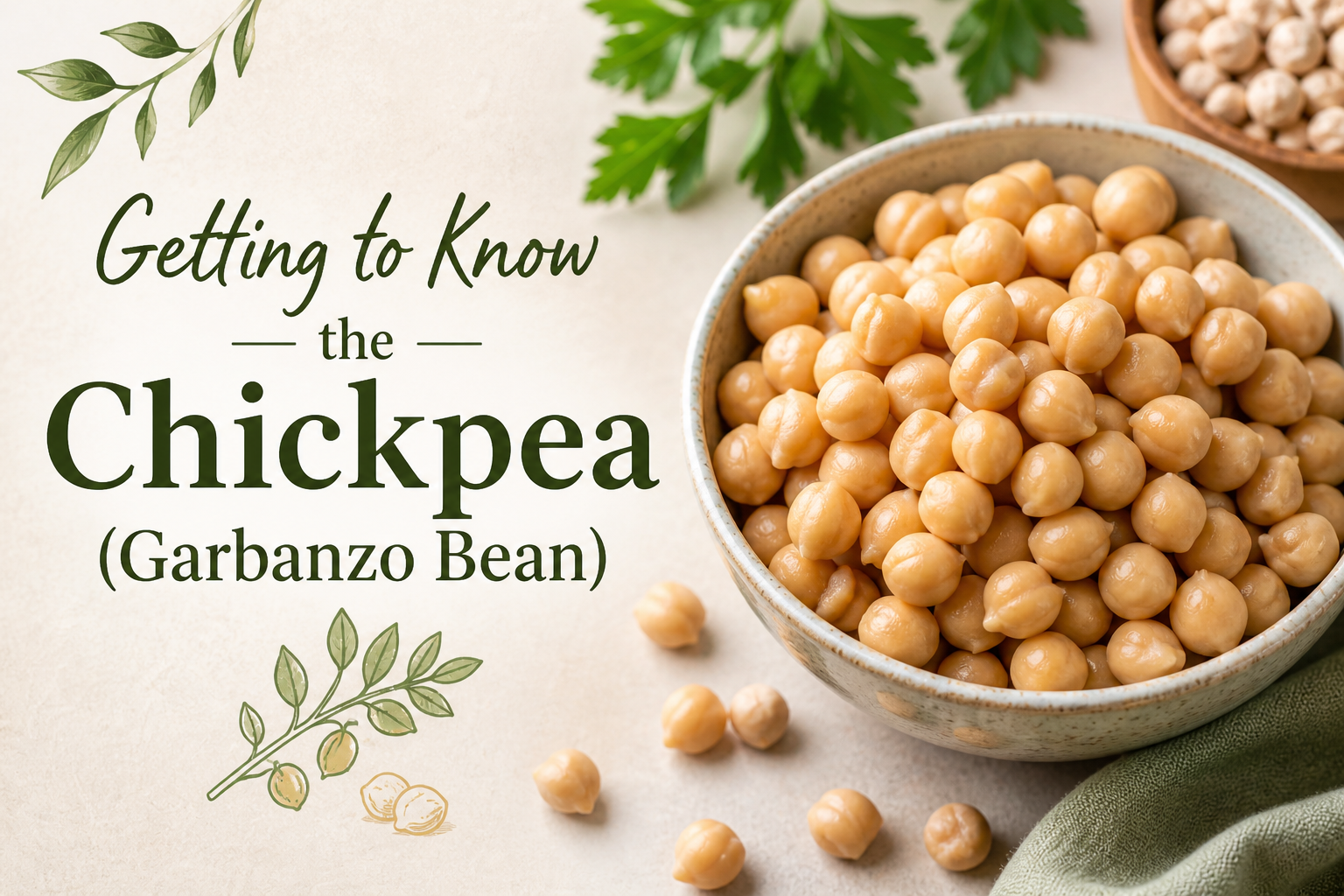
Cover image showing a bowl of chickpeas and the title of this blog

Getting to Know the Chickpea (Garbanzo Bean)

Are chickpeas good for gut health? Chickpeas are rich in fiber, prebiotics, and resistant starch, which feed beneficial gut bacteria. This supports digestion, improves bowel regularity, and helps maintain a healthy microbiome. Getting to Know the Chickpea (Garbanzo Bean) By Nancy A. Palermo, MD Beans are a great food to include in a gut-healthy diet. One standout is the chickpea, also known as the garbanzo bean. This legume has been a staple in many cuisines for thousands of years, with archaeological evidence dating back roughly 10,000 years in the Middle East. Unlike many other legumes, chickpeas provide a unique combination of nutrients that support blood sugar control, weight management, and gut health. A 2016 review published in Nutrients found that individuals who consume chickpeas and chickpea-based foods, such as hummus,...

Share
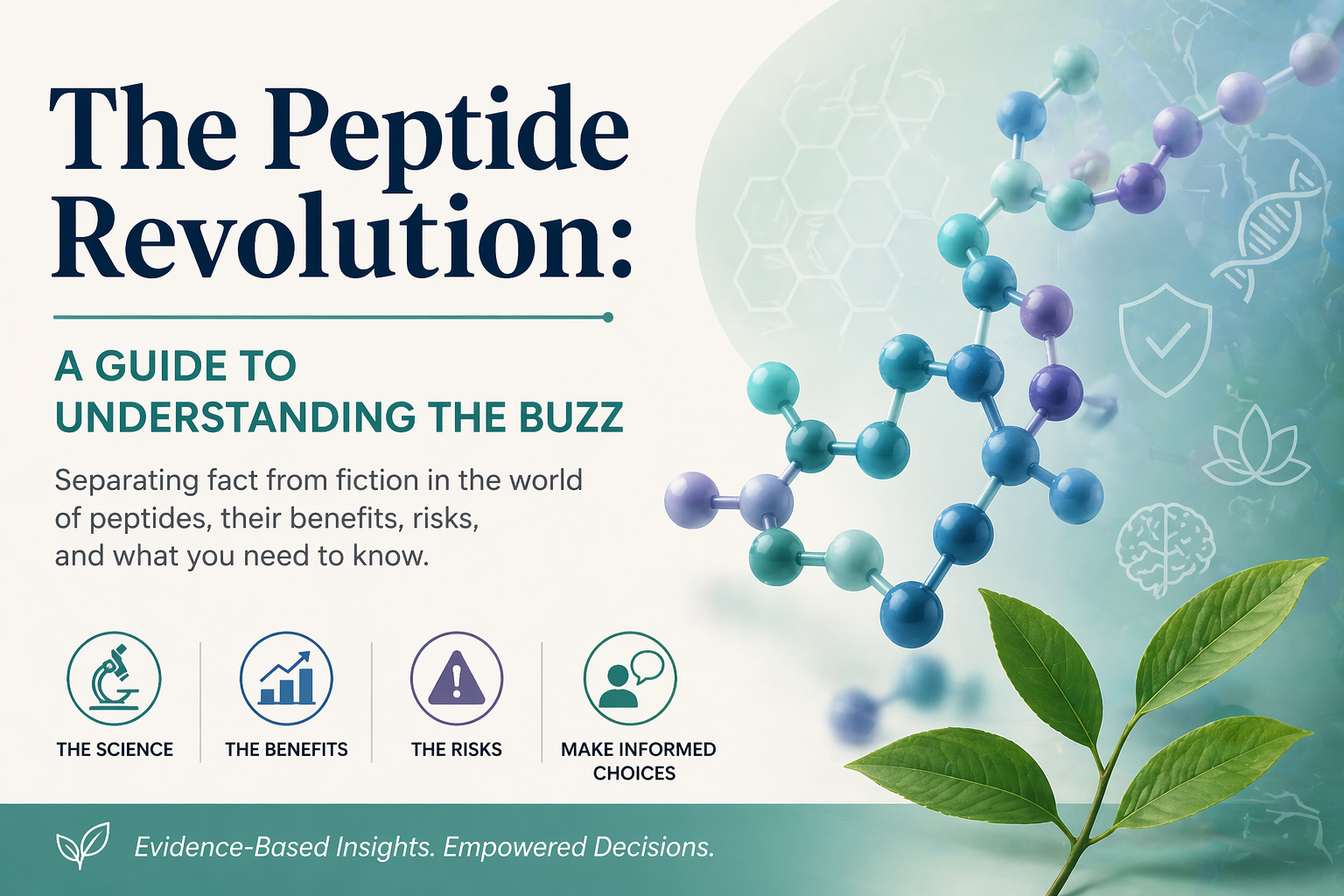
Image showcasing the peptide revolution for thrive

The Peptide Revolution: Understanding the Hype, Risks, and Reality

If you've been following health and wellness trends lately, you've likely heard about peptides. Small proteins being promoted as everything from anti-aging solutions to performance enhancers. As interest grows, it’s important to separate fact from fiction and understand what the science actually says What Are Peptides, and are they safe? Peptides are short chains of amino acids, the building blocks of proteins. Your body naturally produces thousands of peptides that act as messengers, helping regulate how your cells function. Many of the peptides gaining attention today are synthetic versions designed to mimic or enhance natural processes, potentially influencing hormone production, tissue repair, immune function, and metabolism. A familiar example is GLP-1 medications (like semaglutide), which mimic natural hormones to regulate appetite and support weight loss. FDA-Approved vs. Unapproved Peptides Some peptides have...

Share
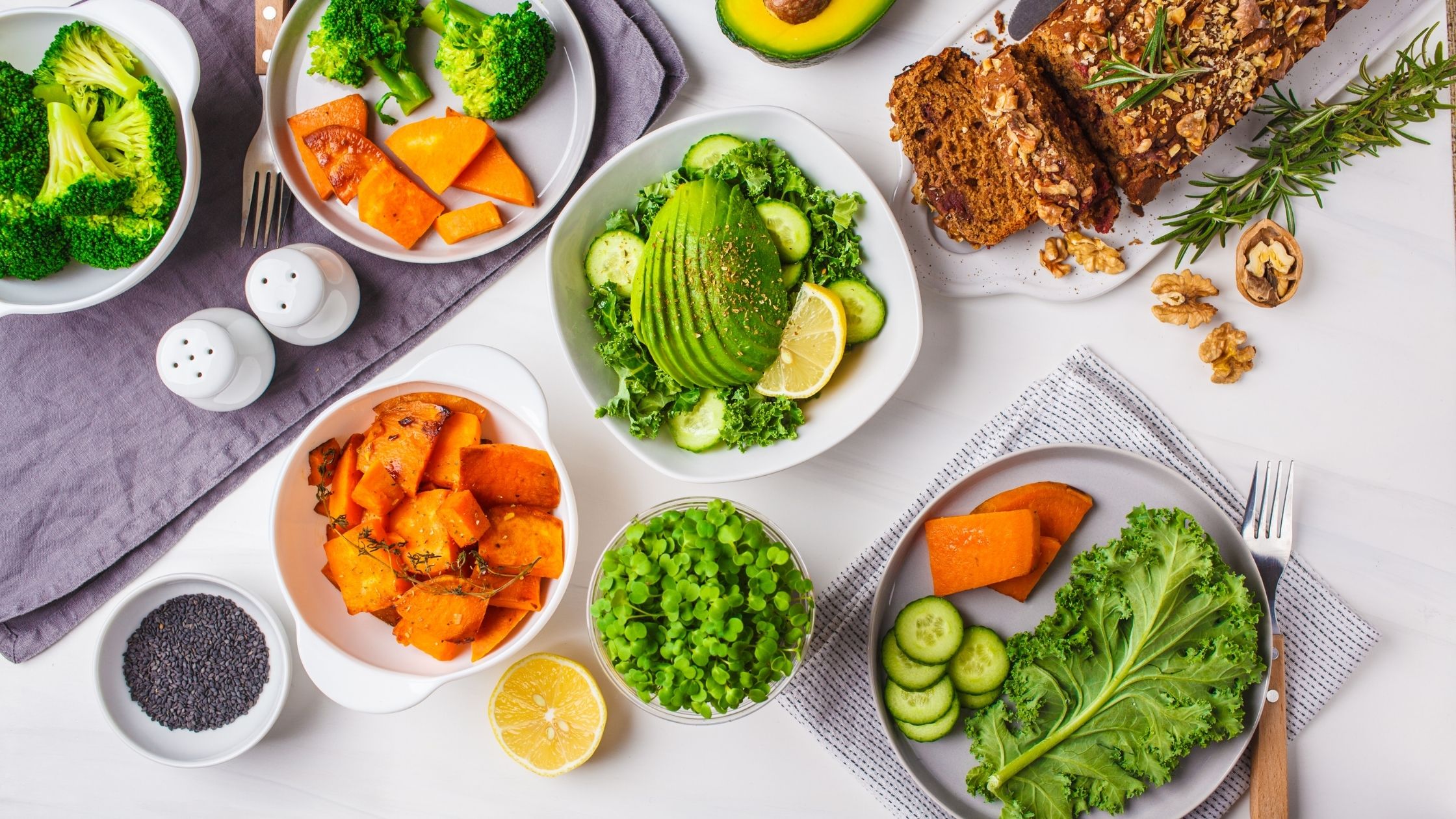
Foods that support thyroid health including fish eggs vegetables nuts and whole grains

Eating for Thyroid Health: The Macros and Micros That Matter

What is the best diet for thyroid health? A balanced diet rich in protein, healthy fats, and complex carbohydrates supports thyroid function. Key nutrients like iodine, selenium, zinc, iron, and vitamin D help regulate hormone production, conversion, and metabolism. By Nancy A. Palermo, MD Edited by: Thrive Carolinas How Diet Impacts Thyroid Function We often don’t think about diet when discussing thyroid health, but what and how you eat play a critical role in optimizing thyroid function. The three primary macronutrients, protein, fat, and carbohydrates, all influence hormone production, metabolism, and overall thyroid balance. When these nutrients are out of balance, they can disrupt hormonal pathways and contribute to symptoms such as fatigue, weight gain, and low energy. The Role of Macronutrients in Thyroid Health Healthy Fats Support Hormone Production Cholesterol is the foundation...

Share

Fibermaxxing: How to Increase Fiber Intake Safely

There is always a new trend on social media that catches everyone’s attention. One of the newest is Fibermaxxing, a trend that encourages people to load up on fiber-rich foods and added fibers. While increasing fiber intake is beneficial, doing so too much too quickly can lead to undesirable side effects such as bloating, gas, and diarrhea. As with anything, rapid changes often lead to discomfort—and ultimately discontinuation. Why Fiber Matters for Your Health No one disagrees that Americans need more fiber. The standard American diet, often high in processed foods, typically lacks adequate fiber. It is estimated that the average American consumes less than 12 grams of fiber per day, well below the recommended 25–35 grams daily. Increasing fiber intake can: Support a healthy gut microbiome Help regulate blood...

Share
Measles rash and immunity information guide for prevention and protection during outbreak

German Measles: What You Need to Know About Immunity, Symptoms & Protection

German Measles: Ensuring Your Immunity The state of South Carolina is experiencing its largest measles outbreak in the last century, with numbers nearing one thousand. Some suspect the number may be higher, given that South Carolina does not mandate reporting of cases by healthcare personnel. It may be only a matter of time before North Carolina follows. Currently, there are 26 reported cases in the state and 3 here in Mecklenburg County. What You Need to Know About Measles Measles is so contagious that 9 out of 10 unvaccinated people will become infected if exposed to someone with the virus. While anyone who is not immune can get measles, certain groups face a significantly higher risk of both infection and life-threatening complications. Groups at Highest Risk for Severe Complications If infected, these groups...

Share

Genitourinary Syndrome of Menopause (GSM): Thrive’s Comprehensive Approach

Genitourinary Syndrome of Menopause (GSM) is a chronic, progressive condition affecting the vaginal, vulvar, and urinary tissues as a result of declining estrogen levels during menopause. Despite impacting an estimated 50–70% of postmenopausal women, GSM remains underdiagnosed and undertreated—often leaving women to assume symptoms are a normal or unavoidable part of aging.   This is no longer the case!  At Thrive Healthcare, our team of three board-certified OB/GYNs and menopause-certified providers specializes in evidence-based, personalized care for women navigating midlife and beyond. We believe women deserve both education and access to the full spectrum of modern treatment options for GSM.   What Is Genitourinary Syndrome of Menopause? GSM refers to a group of symptoms caused by estrogen deficiency that affects the vagina, vulva, bladder, and urethra. Estrogen plays a...

Share
Heart health concept with stethoscope, fresh vegetables, and lifestyle symbols representing prevention and cardiovascular wellness.

Heart Disease: Widening the Lens to Address America’s Leading Killer

By Nancy A. Palermo, MD Edited by: Thrive Carolinas “There is no such thing as a sudden heart attack. It requires years of preparation.” Heart disease remains the number one cause of death in the United States Despite decades of awareness campaigns, rising healthcare spending, and technological advances, outcomes have not improved meaningfully. In 2018 alone, more than 800,000 Americans died from heart disease or related cardiometabolic conditions — accounting for one in three deaths nationwide. Just a few years earlier, the number was closer to 600,000. Despite billions spent annually on treatment, the trend continues to worsen. This forces an uncomfortable but necessary question: Are we treating heart disease — or simply managing it? The Problem with a Narrow Approach Conventional heart disease prevention focuses on a familiar set of risk factors: Elevated...

Share
Couple embracing under a sunset, symbolizing connection, intimacy, and whole-body wellness

A Valentine’s Aphrodisiac That Lasts: How Whole-Body Health Supports Desire

Valentine’s Day tends to focus on grand gestures, flowers, chocolates, and reservations made weeks in advance. But if we’re honest, romance doesn’t start with what’s on the table. It starts with how you feel in your body. Energy. Mood. Hormonal balance. Confidence. These are the real aphrodisiacs, and February is a perfect time to focus on them. As we head into Valentine’s Day 2026, consider this your reminder: supporting intimacy is really about supporting health. Desire Is a Whole-Body Conversation Libido isn’t controlled by a single switch. It’s influenced by ongoing conversations among hormones, metabolism, stress levels, sleep quality, and nutrition. When one piece is out of sync, chronic stress, poor sleep, blood sugar swings, and nutrient deficiencies often take a back seat. That’s why quick fixes rarely work. Sustainable intimacy comes...

Share
Subscribe!