

Fibermaxxing: How to Increase Fiber Intake Safely
There is always a new trend on social media that catches everyone’s attention. One of the newest is Fibermaxxing, a trend that encourages people to load up on fiber-rich foods and added fibers.
While increasing fiber intake is beneficial, doing so too much too quickly can lead to undesirable side effects such as bloating, gas, and diarrhea. As with anything, rapid changes often lead to discomfort—and ultimately discontinuation.
Why Fiber Matters for Your Health
No one disagrees that Americans need more fiber. The standard American diet, often high in processed foods, typically lacks adequate fiber.
It is estimated that the average American consumes less than 12 grams of fiber per day, well below the recommended 25–35 grams daily.
Increasing fiber intake can:
- Support a healthy gut microbiome
- Help regulate blood sugar levels
- Lower cholesterol
- Promote fullness (similar to GLP-1 effects)
- Improve digestion and regularity
These benefits are associated with a lower risk of heart disease, diabetes, and other chronic conditions.
How to Increase Fiber Intake Without Side Effects
Increasing fiber should be simple, but not rushed. The key is to gradually increase fiber intake so your digestive system can adjust.
It can take up to two weeks for your gut microbiome to adapt to higher fiber levels.
Aim to include both:
- Soluble fiber (oats, beans, fruits)
- Insoluble fiber (whole grains, vegetables)
8 Simple Ways to Add More Fiber to Your Diet
1. Increase Fiber Gradually
Start by assessing your current intake, then increase it by 2–3 grams per week to avoid bloating and discomfort.
2. Add Fiber Through Snacks
Incorporate fiber-rich snacks like:
- Fruit and nuts
- Vegetables and hummus
- Seeds and trail mixes
3. Swap Refined Grains for Whole Grains
Replace white bread, rice, and pasta with:
- Brown rice
- Quinoa
- Barley
- Whole-grain pasta
4. Drink More Water
Fiber works best when paired with hydration.
Aim for half your body weight in ounces of water daily to support digestion.
5. Add Beans (the Right Way)
Soaking beans before cooking can help reduce gas and bloating.
- Soak overnight or for 2–8 hours
- Add baking soda during cooking to improve tolerance
6. Avoid Other Causes of Bloating
Be mindful of habits that can worsen symptoms:
- Eating too quickly
- Chewing gum
- Carbonated beverages
- Sugar alcohols (sorbitol, xylitol)
7. Delay Prebiotics and Probiotics
Introduce these only after reaching your fiber goals to avoid compounding digestive symptoms.
8. Move Your Body After Meals
Light activity like walking can:
- Improve digestion
- Reduce gas and bloating
- Support metabolic health
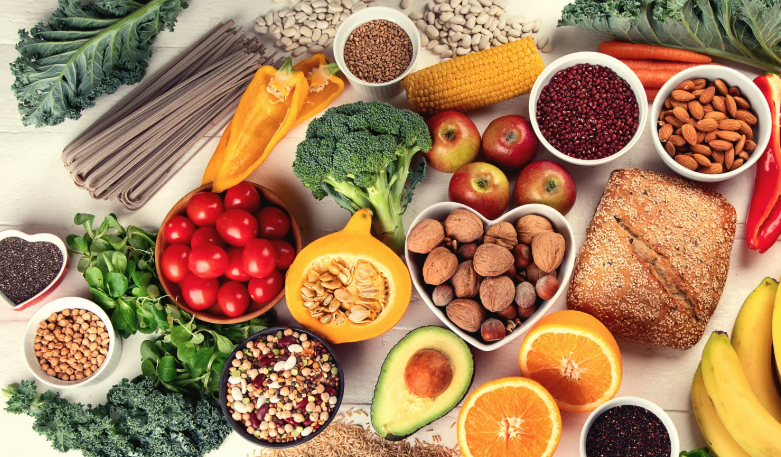
Best High-Fiber Foods to Add to Your Diet
Legumes & Beans
- Lentils
- Chickpeas
- Black beans
- Split peas
Fruits
- Raspberries
- Blackberries
- Pears (with skin)
- Avocados
Vegetables
- Artichokes
- Broccoli
- Brussels sprouts
- Green peas
Nuts & Seeds
- Chia seeds
- Flaxseed
- Almonds
Whole Grains
- Oatmeal
- Quinoa
- Bran cereals
- Popcorn
The Best Diet for Increasing Fiber Naturally
The most effective way to increase fiber is through whole foods.
A Functional Mediterranean diet provides an easy, sustainable way to:
- Increase fiber intake
- Improve gut health
- Support metabolic function
- Deliver polyphenols, antioxidants, and phytonutrients
This approach not only improves digestion but also supports long-term health and disease prevention.
Want Help Putting This Into Practice?
If you’re looking for practical, delicious ways to incorporate more fiber-rich foods into your routine, join us for our upcoming class:
Mediterranean Diet Revisited Cooking Class
March 31, 2026 | ⏰ 6:00 PM
Learn how to turn these principles into meals you’ll actually enjoy—and stick with.