The Return of the Presidential Awards: Abdominal & Core Work
What are the benefits of daily core exercises?
Daily core exercises help improve balance, posture, stability, and athletic performance while reducing the risk of lower back pain and injury. Strengthening the abdominal and core muscles also supports healthy aging, mobility, and overall fitness.
By Nancy A. Palermo, MD
Summer is here, and many of us will be showing off our abs.
Of course, we want to feel more confident and look good, but having a strong core goes beyond showing off the six-pack. Having a strong core is important for balance and stability, and most sports and physical activities depend on it. Core exercises can help to define your abdominal muscles, but optimizing your diet is paramount if you want them to be more defined. Strong core muscles are important for preventing lower back pain and injury, as they act as a natural brace for the spine. This also supports optimal posture and alignment, protecting against further injury.
You can work your core muscles daily, and once you get into the habit of incorporating abdominal work daily, you will quickly see the benefits. The best part of adding in core is that no gym is required. You can easily mix and match the following exercises to reach your ten-minute daily goal.
When combined with dietary interventions, developing visible abdominal muscles can be achieved by training the rectus abdominis (six-pack) as well as the internal and external oblique muscles. The core also involves strengthening the back and buttocks. Listed below are some common options to help get started.
The Presidential Fitness Award recognizes individuals who can complete 57 sit-ups in one minute or hold a plank for 156 seconds.
This Week’s Challenge
Complete 10 minutes of core work every day. No gym required.
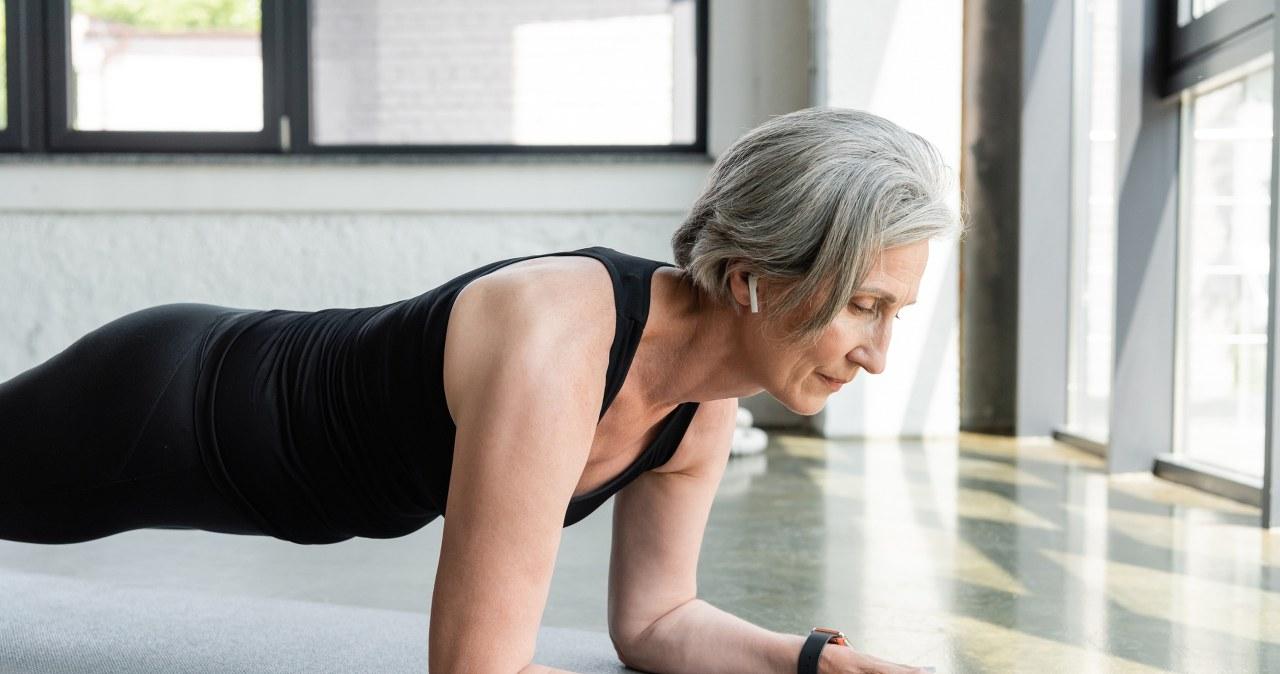
Your goal: Work toward holding a full plank on your hands or forearms for at least one minute.
As summer arrives, many of us are thinking about feeling more confident and showing off our abs. But having a strong core goes far beyond aesthetics.
Core strength is essential for:
- Balance and stability
- Athletic performance
- Injury prevention
- Healthy posture
- Lower back support
- Healthy aging and mobility
Strong abdominal and core muscles act as a natural brace for your spine, helping protect against lower back pain and injury. They also support proper alignment and make everyday movements easier and safer.
While core exercises can help strengthen and define your abdominal muscles, nutrition remains a critical component if your goal is visible abdominal definition. Exercise builds the muscle; healthy eating helps reveal it.
The good news is that core muscles recover quickly and can often be trained daily. Once you build the habit of incorporating core work into your routine, you’ll likely begin noticing improvements in strength, posture, and stability.
Best of all, no gym membership is required.
Mix and match the exercises below to create your own 10-minute core workout.
Core Exercises to Get You Started
1. Crunches
This classic movement targets the upper portion of the rectus abdominis and helps build foundational core strength.
Step 1: Lie flat with your legs together and knees bent.
Step 2: Exhale as you engage your abdominal muscles and lift your shoulders off the ground. Inhale as you lower back down.
2. Bicycle Crunches
This exercise engages both the rectus abdominis and the obliques through a controlled twisting motion.
Step 1: Lie flat with your hands lightly behind your ears. Raise both legs with knees bent to 90 degrees.
Step 2: Extend your right leg while rotating your torso to bring your right elbow toward your left knee.
Step 3: Alternate sides and continue with control.
3. Ab Twists
Ab twists strengthen the obliques and improve rotational stability.
Step 1: Sit with knees bent and heels on the floor. Lean back approximately 45 degrees while keeping your back straight.
Step 2: Hold your hands together and rotate your torso left and right.
4. Seated Knee-to-Elbow (Left)
This movement combines abdominal engagement with rotation.
Step 1: Sit with knees bent and hands behind your ears. Lean back approximately 45 degrees.
Step 2: Lift your left knee while bringing your right elbow toward it. Return and repeat.
5. Seated Knee-to-Elbow (Right)
Repeat the same movement on the opposite side to promote balanced core development.
6. V-Crunch
The V-crunch challenges both upper and lower abdominal muscles.
Step 1: Lie flat with legs extended and arms overhead.
Step 2: Lift both legs and upper body simultaneously into a V-shape, then slowly return.
7. Heel Touches
This exercise targets the obliques through side-to-side movement.
Step 1: Lie on your back with knees bent and feet flat.
Step 2: Lift your shoulders slightly and alternate touching each heel.
8. Leg Raise Crunch (Left)
This unilateral movement builds core strength and coordination.
Step 1: Lie flat with your right arm extended overhead.
Step 2: Lift your left leg and right arm toward one another before lowering.
9. Leg Raise Crunch (Right)
Repeat on the opposite side for balanced development.
10. Advanced Ab Twists
A more challenging version of the Ab Twist.
Step 1: Sit with knees bent and lean back 45 degrees. Lift both feet off the ground.
Step 2: Rotate left and right while maintaining balance and posture.
11. Spiderman Plank
This dynamic plank variation challenges stability, coordination, and hip mobility.
Step 1: Begin in a plank position with hands under shoulders.
Step 2: Bring your right knee toward the outside of your right elbow. Return.
Step 3: Alternate sides.
12. High Plank Cross Tap
This advanced plank variation increases oblique activation.
Step 1: Begin in a high plank position.
Step 2: Bring your right knee toward your left elbow. Return.
Step 3: Alternate sides while maintaining a stable plank position.
Bringing It All Together
Strong abdominal muscles are about much more than appearance. Core strength supports posture, balance, athletic performance, spinal health, and overall longevity.
This week, commit to just 10 minutes per day. Whether you complete a few crunches, hold a plank, or mix several exercises together, consistency is what matters most.
Remember, the Presidential Award standard is 57 sit-ups in one minute or a 156-second plank.
How close can you get by the end of the week?