
Food as Medicine: Simple Ways to Unlock the Power of What You Eat
How can food be used as medicine?
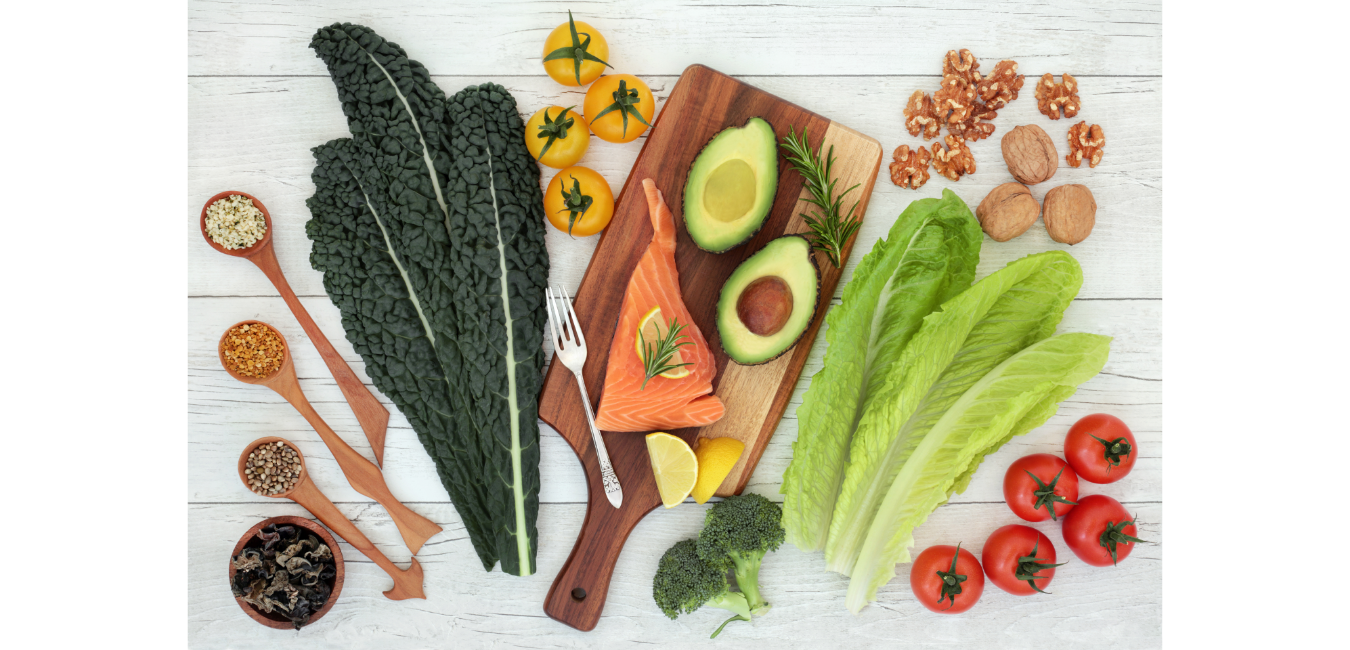
Food can act as medicine by providing nutrients and phytochemicals that reduce inflammation, support gut health, and improve nutrient absorption. Choosing whole foods, combining ingredients strategically, and preparing foods properly can significantly enhance their health benefits.
It is often said, “The fountain of youth begins in your kitchen.” And truly, no daily health intervention is more meaningful or impactful than choosing the right foods to eat.
When we treat our kitchen as a “farmacy” and focus on quality, nutrient-dense whole foods, we have the power to reduce inflammation, improve gut health, prevent chronic disease, support a healthy weight, and ultimately shift the longevity clock in our favor.
Researchers in nutrition science continue to show that what we eat and how we eat it have a profound effect on our health. Borrowing a concept from pharmacology (the study of how drugs affect the body), scientists now study the phytochemicals and nutrients in food in a similar way. This allows them to understand how nutrients are absorbed and utilized, a concept known as bioavailability.
What this means is simple:
What you eat, how you prepare it, and what you pair it with can either enhance or limit its benefits.
Simple Ways to Make Your Food Work Harder for You
Here are a few practical (and surprising) ways to turn your everyday meals into powerful medicine:
Choose Whole Fruit Over Pre-Cut
While pre-cut fruit is convenient, slicing fruit in advance can reduce vitamin C content over time. Cutting it yourself not only preserves nutrients but also saves money.
And do not peel unnecessarily many phytonutrients live in the skin, so wash well and enjoy.
Don’t Skip the Healthy Fats
Using fat-free dressing on your salad may seem like a healthy choice, but it can actually block your body’s ability to absorb important nutrients.
Healthy fats help absorb:
- Carotenoids from carrots
- Lutein from green vegetables
- Lycopene from tomatoes
These plant compounds are essential for eye and heart health, as well as for cancer prevention.
Upgrade to Broccoli Sprouts
If broccoli is not your favorite, try broccoli sprouts instead.
Just one ounce of broccoli sprouts contains as much sulforaphane as over a pound of mature broccoli. Sulforaphane is a powerful compound that:
- Supports detoxification
- Protects against oxidative stress
- May help slow cancer cell growth
Combine Foods for Greater Benefits
Just like a team performs better together, nutrients work better in combination.
For example:
- Tomatoes + broccoli = increased antioxidant and anti-cancer benefits
- Turmeric + ginger = reduced inflammation, including pathways linked to Alzheimer’s disease
Many traditional cuisines have embraced these combinations for centuries, and modern science is catching up.
Fermented Foods: Not All “Processed” Is Bad
We often hear that we should avoid processed foods, but fermented foods are an exception.
Foods like:
- Yogurt
- Kimchi
- Miso
- Tempeh
provide natural probiotics that:
- Improve gut health
- Enhance digestion
- Increase nutrient bioavailability (including B vitamins and minerals)
- Reduce inflammation
Choose Wild Blueberries
Wild blueberries are smaller and more tart than cultivated varieties, but they contain up to 50% more antioxidants.
They are easy to find in the frozen section and are a simple way to boost your nutrient intake.
Add Citrus Zest
Adding lemon or orange zest to meals not only enhances flavor but also boosts antioxidant content.
One study even found that individuals who added citrus zest to tea had a 42% lower risk of skin cancer, highlighting its protective benefits.
Pick Lettuce from the Top
It may seem counterintuitive, but lettuce from the top of the pile is often more nutrient-rich.
Exposure to grocery store lighting can help leaves retain and sometimes even increase their nutrient levels.
Bringing It All Together
We could go on for pages, but these simple tips highlight an important truth:
Food is not just fuel; it is information, medicine, and a powerful tool for long-term health.
Small, intentional choices in your kitchen can lead to meaningful changes in how you feel today and how you age.
Want to Learn More?
Join us for our upcoming:
Food as Medicine Cooking Class
April 21, 2026 | 6:00 PM
We will explore how to turn everyday ingredients into powerful tools for better health.