

Foundation Training: Building a Stronger Back and Better Posture
How often do you think about your posture throughout the day?
Whether you’re sitting at a desk, standing in the kitchen, carrying groceries, or exercising, how you move and support your body can affect how you feel.
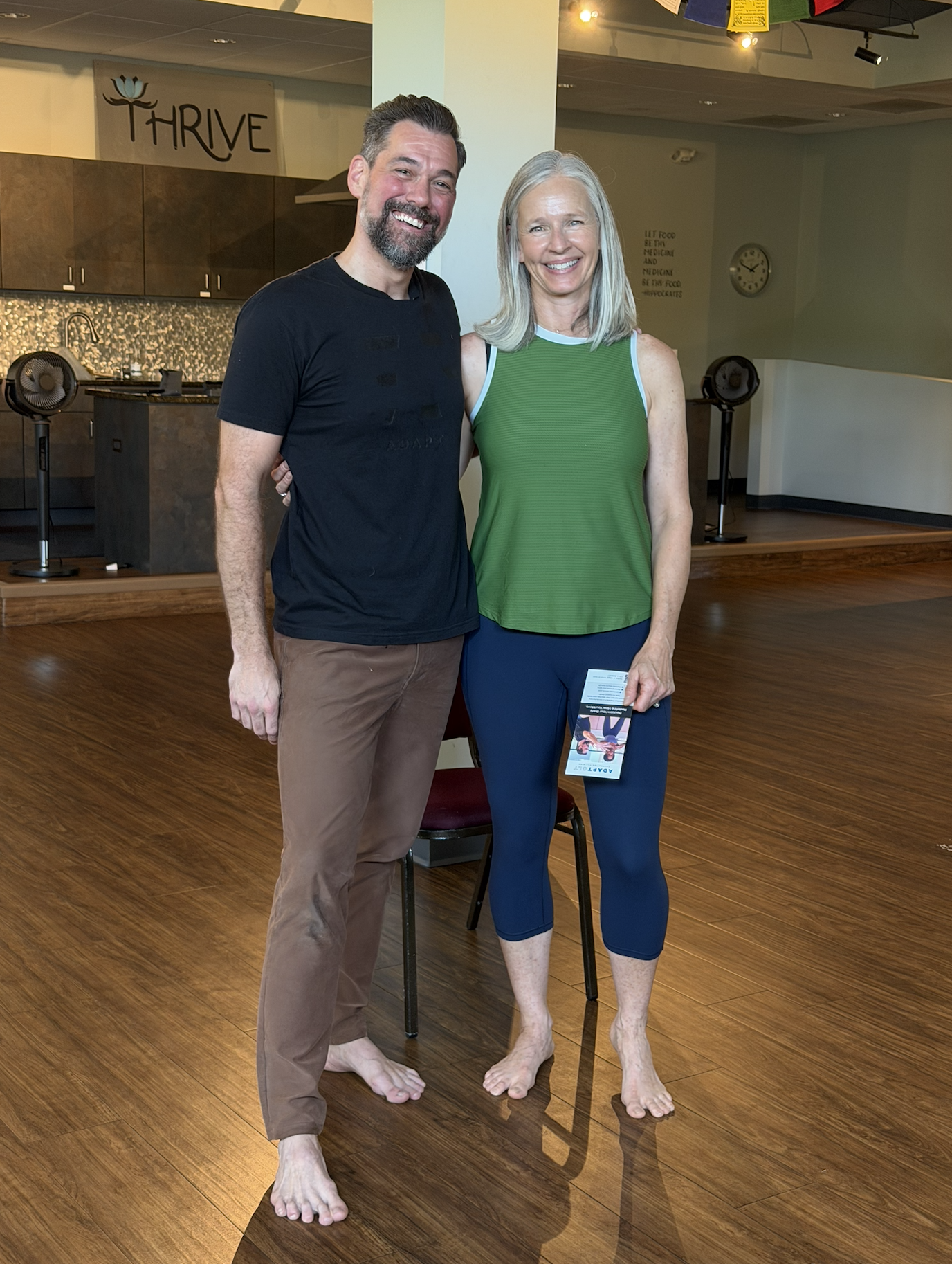
In this week’s Motivation, Harlee Palmer, PA, joins Josh Brigham, Thrive’s Foundation Training Instructor, to discuss the importance of back health, posture, and building better movement habits.
Foundation Training is a movement-based approach designed to help strengthen the muscles that support the spine, improve body awareness, and encourage more efficient movement patterns.
View this post on Instagram
What Is Foundation Training?
Foundation Training is a system of exercises that emphasizes posture, breathing, muscle engagement, and movement mechanics.
The practice focuses on strengthening the posterior chain, the muscles along the back of the body, including the back extensors, glutes, and hamstrings.
These muscles support the spine and help us perform everyday activities such as standing, walking, lifting, and bending.
Through controlled movements and intentional positioning, Foundation Training encourages participants to become more aware of how their bodies move and where they may be placing unnecessary strain.
Why Back Health and Posture Matter
Our backs support us through nearly everything we do.
But long periods of sitting, limited physical activity, and repetitive movement patterns can contribute to stiffness, muscle fatigue, and discomfort.
Developing strength and movement awareness can help support better physical function.
Foundation Training emphasizes several important areas:
- Back strength: Engaging the muscles that support the spine and support everyday movement.
- Postural awareness: Becoming more conscious of how you sit, stand, and move.
- Core stability: Learning to engage the muscles that help stabilize your trunk.
- Hip movement: Developing awareness of how to bend and move through the hips.
- Functional strength: Applying movement principles to activities outside of exercise.
The goal isn’t to maintain one rigid, “perfect” posture throughout the day. It’s to develop strength, control, and the ability to move comfortably through different positions.
Supporting Better Movement in Everyday Life
One appealing aspect of Foundation Training is its emphasis on movements that translate into daily activities.
Think about how often you bend to pick something up, stand for extended periods, or transition between sitting and standing.
Improving strength, body awareness, and movement mechanics may help make these activities feel more comfortable and controlled.
Foundation Training can also complement other exercises, including walking, yoga, strength training, and mobility work.
Rather than replacing those activities, it offers another way to focus on the muscles and movement patterns that support everyday function.
Building Strength and Confidence Through Movement
Better movement starts with awareness.
Learning to recognize how your body responds to different positions and movements can help you make more intentional choices throughout the day.
For some people, that might mean paying closer attention to how they bend and lift. For others, it could mean incorporating strengthening exercises or taking more frequent movement breaks during the workday.
The important thing is to start where you are and build gradually.
Perform Foundation Training exercises with proper technique and adapt them to your abilities. If you experience persistent back pain or other symptoms, consult a qualified healthcare professional before starting a new exercise program.
Your Motivation Challenge
This week, pay closer attention to how you move.
Notice your posture when sitting at your desk. Think about how you bend to pick something up. Take breaks from prolonged sitting, and look for opportunities to strengthen the muscles that support your back.
As Harlee and Josh remind us, supporting back health isn’t just about what happens during a workout.
It’s about developing movement habits that help you feel stronger, more stable, and more confident in everyday life.
Small improvements in how we move today can support better function and mobility in the years ahead.