

Eating for Thyroid Health: The Macros and Micros That Matter
What is the best diet for thyroid health?
A balanced diet rich in protein, healthy fats, and complex carbohydrates supports thyroid function. Key nutrients like iodine, selenium, zinc, iron, and vitamin D help regulate hormone production, conversion, and metabolism.
By Nancy A. Palermo, MD
Edited by: Thrive Carolinas
How Diet Impacts Thyroid Function
We often don’t think about diet when discussing thyroid health, but what and how you eat play a critical role in optimizing thyroid function. The three primary macronutrients, protein, fat, and carbohydrates, all influence hormone production, metabolism, and overall thyroid balance.
When these nutrients are out of balance, they can disrupt hormonal pathways and contribute to symptoms such as fatigue, weight gain, and low energy.
The Role of Macronutrients in Thyroid Health
Healthy Fats Support Hormone Production
Cholesterol is the foundation for hormone production, making healthy fats essential for thyroid function. Diets that are too low in fat or high in processed trans fats can impair immune function and disrupt hormone balance.
Focus on quality fat sources such as:
- Olive oil and olives
- Avocados
- Flaxseeds
- Fatty fish
- Nuts and nut butters
- Dairy
- Coconut oil
- Grass-fed meats
Protein Helps Transport Thyroid Hormones
Protein is required to transport thyroid hormones through the bloodstream and into target tissues. Many individuals fall short of optimal protein intake.
Good sources include:
- Lean meats
- Wild-caught fish
- Eggs
- Dairy
- Legumes
- Nuts and seeds
- Quinoa
Aim for approximately 0.8–1 gram of protein per pound of body weight to support thyroid function and metabolic health.
Carbohydrates Influence Metabolism
Carbohydrates play a dual role in thyroid health.
- Too many refined carbs can lead to insulin resistance, which reduces the availability of active thyroid hormone
- Too few carbs can reduce levels of T3, the active thyroid hormone responsible for metabolism
The key is balance:
- Avoid processed and refined carbohydrates
- Include complex carbohydrates like vegetables, fruits, legumes, and whole grains
Balance Is Key for Thyroid Function
Thyroid health depends on balance, not extremes. A diet that includes appropriate amounts of healthy fats, protein, and complex carbohydrates supports optimal hormone production and function.
Micronutrients That Support Thyroid Health
While macronutrients lay the foundation, micronutrients play a critical role in thyroid hormone production, activation, and cellular function.
Vitamin D and Thyroid Hormone Conversion
Low vitamin D levels are common and can impair thyroid function by reducing hormone transport and conversion of T4 into active T3.
Sources include:
- Egg yolks
- Fatty fish
- Fortified dairy
- Mushrooms
- Sunlight exposure
Optimal vitamin D levels are typically 50–80 ng/mL, with levels below 32 associated with disruption in thyroid pathways.
Iron Supports Thyroid Activation
Iron is essential for activating thyroid hormones. Many individuals, especially premenopausal women, are deficient.
Sources include:
- Clams and oysters
- Spinach
- Lentils
- White beans
- Pumpkin seeds
- Organ meats
Selenium Protects the Thyroid
Selenium plays a key role in thyroid hormone activation and protects the gland from inflammation.
Sources include:
- Brazil nuts (limit to 2–3 per day)
- Sunflower seeds
- Mushrooms
- Tuna
- Halibut
- Beef
Zinc Enables Hormone Conversion
Zinc is essential for converting T4 into active T3 and supporting thyroid-stimulating hormone (TSH) production.
Sources include:
- Oysters
- Sardines
- Beef and lamb
- Turkey
- Nuts and seeds
- Whole grains
Deficiency may contribute to fatigue, hair loss, and weight gain.
Iodine: A Delicate Balance
Iodine is required for thyroid hormone production, but balance is critical.
- Too little = hypothyroidism
- Too much = hyperthyroidism
Food-based sources are preferred:
- Sea vegetables
- Wild-caught seafood
- Eggs
- Spinach
- Garlic
- Sesame seeds
Foods That May Interfere with Thyroid Function
Goitrogenic Foods
Certain foods, known as goitrogens, may interfere with thyroid function when consumed in large amounts.
Examples include:
- Broccoli
- Brussels sprouts
- Kale
- Cabbage
- Cauliflower
Cooking these foods reduces their goitrogenic effects while preserving their powerful detoxification and cancer-fighting benefits.
Soy and Hormonal Balance
Soy remains a controversial topic.
- Fermented soy (tempeh, miso, natto) is generally beneficial
- Unfermented soy (soy milk, tofu, processed soy products) may act as endocrine disruptors and interfere with hormone signaling
Sugar and Processed Foods
Excess sugar contributes to insulin resistance, thereby reducing the availability of active thyroid hormone and slowing metabolism.
Caffeine and Stress Hormones
While moderate caffeine intake may be acceptable, excessive consumption can elevate stress hormones and negatively impact thyroid function.
A Functional Medicine Approach to Thyroid Health
Thyroid health is complex, but daily habits play a powerful role. A balanced, nutrient-dense diet supports hormone production, immune function, and metabolism.
At Thrive, we believe food can be medicine or a contributor to dysfunction depending on the choices we make.
Take the Next Step
If this article made you want to learn more about thyroid health, feel free to check out these two events we have
Yoga & Learn: What You Need To Know About Thyroid Health
April 20, 2026 | 6:00 PM
Thrive Cooking Demonstration: Food as Medicine
April 21, 2026 | 6:00 PM
📷 IMAGE SEO
File Name:
thyroid-health-diet-macros-micros.jpg
Alt Text:
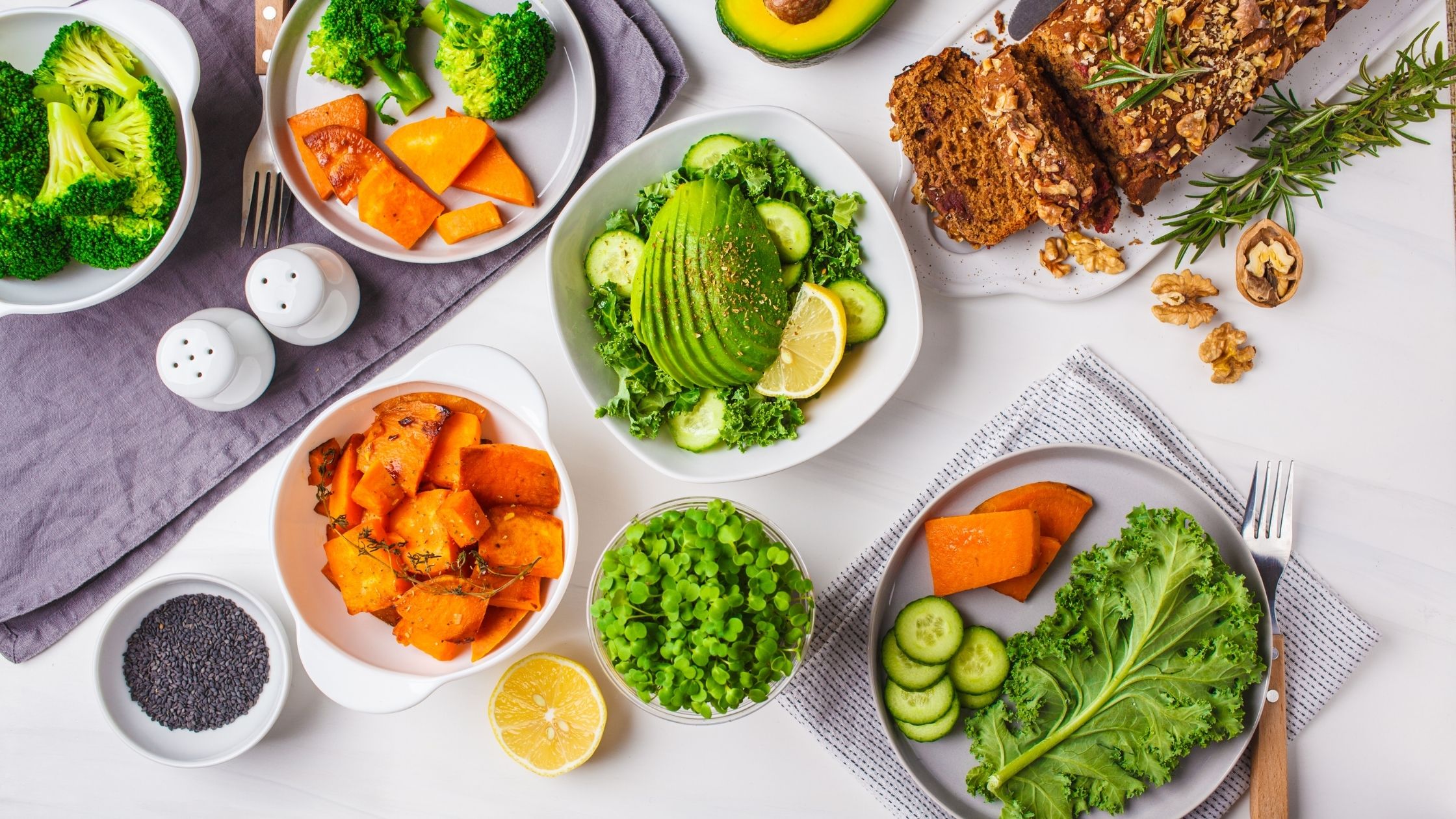
Foods that support thyroid health including fish eggs vegetables nuts and whole grains