
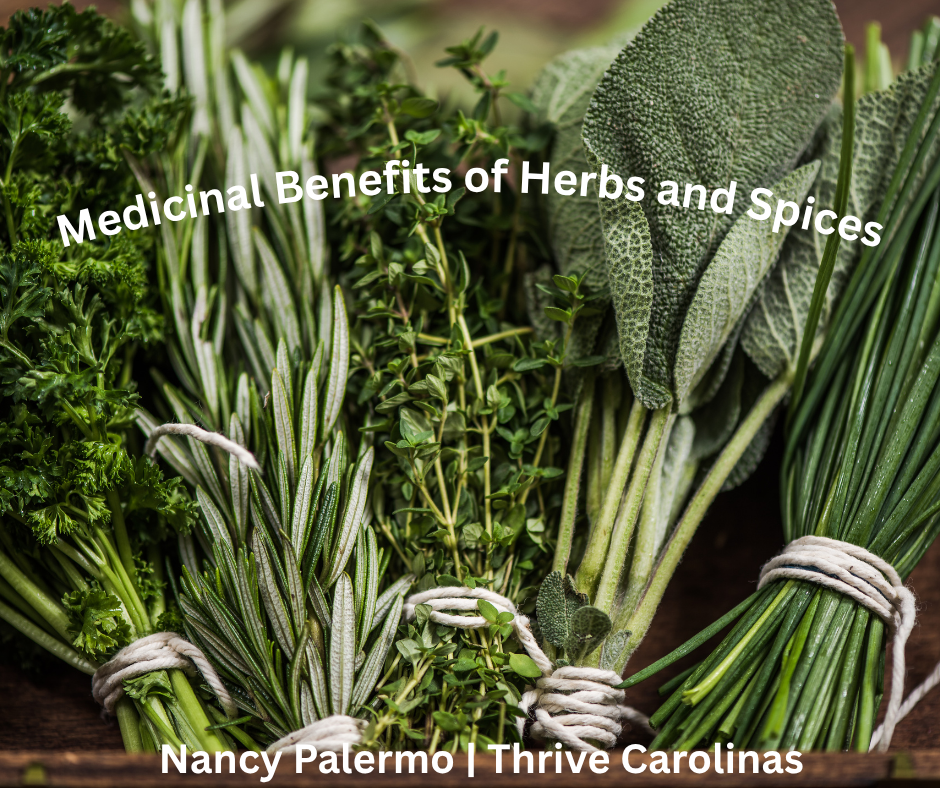
Medicinal Benefits of Herbs and Spices
By Nancy A. Palermo, MD
Herbs and spices are staples we should all be using in our kitchens. They add culinary depth to our dishes, bringing out wonderful flavors and aromas. Beyond making our food taste better, these ingredients may also offer important health benefits.
Using herbs and spices can help reduce the amount of salt needed in recipes. They also add flavor without significant calories and may help us rely less on added fats and sugars.
Research has demonstrated that many herbs and spices contain beneficial plant compounds with antioxidant and anti-inflammatory properties. These compounds may support overall health when incorporated into a nutritious diet.
Antioxidant Benefits of Herbs and Spices
Many herbs and spices contain powerful antioxidants that help combat free radicals and oxidative stress. Oxidative stress can damage cell membranes and DNA and is involved in biological processes associated with chronic diseases, including heart disease, cancer, and Alzheimer’s disease. Herbs and spices rich in antioxidant compounds include cinnamon, turmeric, oregano, rosemary, sage, peppermint, and thyme.
While these foods don’t guarantee protection against disease, adding a variety of herbs and spices to your meals can increase your intake of beneficial plant compounds.
Anti-Inflammatory Properties
Chronic inflammation is associated with numerous health conditions, including autoimmune diseases, cardiovascular disease, and certain cancers. Some herbs and spices contain compounds that influence inflammatory pathways, including those involved in cytokine and prostaglandin production. Herbs and spices commonly studied for their anti-inflammatory properties include turmeric, cayenne, cloves, rosemary, sage, cumin, and ginger.
Much of this research has been conducted in laboratory settings or with concentrated extracts, so the effects of normal culinary amounts may be more modest.
Herbs, Spices, and Gut Health
Emerging research suggests that culinary herbs and spices may influence the gut microbiome. Certain plant compounds can interact with intestinal bacteria and may support the production of beneficial compounds, including short-chain fatty acids.
These findings are promising, but human studies remain limited, and results have been inconsistent. Nevertheless, adding herbs and spices to fiber-rich, plant-based meals is another way to introduce greater dietary variety.
Antimicrobial Properties
Many cultures have traditionally used herbs and spices to flavor and preserve foods. Research has demonstrated that certain spices, including cinnamon, cloves, and mustard, contain compounds with antimicrobial activity against some bacteria and fungi in laboratory studies. Other herbs and spices studied for antimicrobial properties include chili peppers, ginger, coriander, cumin, garlic, and basil. Although these findings are interesting, adding herbs and spices to food should not replace proper food handling, refrigeration, or medical treatment for infections.
Sign Up: Cooking with Herbs DemoSix Herbs and Spices Worth Adding to Your Kitchen
Oregano
Oregano is a flavorful herb rich in antioxidant compounds, including carvacrol and rosmarinic acid.
Research has demonstrated that oregano extracts contain compounds with antioxidant, anti-inflammatory, and antimicrobial activity. Laboratory studies have also investigated oregano compounds for their potential effects on cancer cells. However, these findings do not establish oregano as a treatment or preventive measure for cancer in humans.
Try adding oregano to tomato sauces, roasted vegetables, marinades, and Mediterranean-inspired dishes.
Rosemary
Rosemary is another herb with significant antioxidant activity.
Its beneficial plant compounds include carnosic acid and carnosol, which have been studied for their antioxidant and anti-inflammatory properties. Research suggests that rosemary-containing marinades may help reduce the formation of certain potentially harmful compounds when meat is cooked at high temperatures. Laboratory studies have also investigated rosemary compounds for possible neuroprotective and anticancer effects, but more human research is needed.
Rosemary is delicious with roasted vegetables, potatoes, chicken, fish, and grilled meats.
Basil
Basil is one of the easiest herbs to incorporate into everyday cooking.
Its essential oils are concentrated in the leaves, so fresh basil often works best added toward the end of cooking or used raw. Basil contains plant compounds with antioxidant, anti-inflammatory, and antimicrobial properties. One of these compounds, beta-caryophyllene, has been studied for its potential influence on inflammatory pathways.
Fresh basil is wonderful in salads, pesto, tomato dishes, soups, and vegetable preparations.
Garlic
Garlic contains sulfur-containing compounds, including allicin, that contribute to its distinctive aroma and potential health benefits. These compounds have demonstrated antimicrobial activity in laboratory research. Human studies have also investigated garlic’s potential effects on blood pressure and cholesterol, with some evidence suggesting modest benefits.
Garlic is one of the simplest ways to add flavor to vegetables, soups, sauces, marinades, and countless other dishes.
Ginger
Ginger has a long history of culinary and traditional medicinal use.
It contains compounds such as gingerols and shogaols, which researchers have studied for their antioxidant and anti-inflammatory properties. One of ginger’s better-supported benefits is its ability to help relieve certain types of nausea.
Researchers have also explored ginger’s potential role in reducing discomfort associated with some inflammatory conditions, though results vary.
You can add fresh ginger to stir-fries, soups, smoothies, teas, and marinades.
Turmeric
Turmeric contains curcumin, a compound widely studied for its antioxidant and anti-inflammatory properties.
Research has explored curcumin’s effects on inflammatory markers, including C-reactive protein (CRP) and interleukin-6 (IL-6). Some clinical studies and meta-analyses have reported improvements in certain inflammatory and metabolic markers, particularly with concentrated curcumin preparations. However, these findings do not necessarily mean that typical culinary amounts of turmeric produce the same effects.
Turmeric is easy to incorporate into soups, curries, roasted vegetables, rice dishes, and spice blends.
Bringing More Herbs and Spices Into Your Kitchen
The good news is that you don’t need an expensive supplement or complicated recipe to begin incorporating more herbs and spices into your diet.
Start by experimenting with fresh and dried herbs in dishes you already enjoy. Try different combinations, explore new flavors, and use herbs and spices to make whole foods more appealing. These ingredients are not cures for disease, but they can be valuable additions to a healthy eating pattern.
Most importantly, they make healthy food taste better!
Join Us for Cooking with Herbs and Spices
Want to learn more about these health-promoting ingredients and discover simple ways to add them to your meals? Join us for our November cooking class.
Cooking with Herbs and Spices November 3, 2026 | 6:00 PM
Learn how to bring more flavor and variety into everyday cooking while exploring the potential health benefits of these wonderful ingredients.