

Heart Disease: Widening the Lens to Address America’s Leading Killer
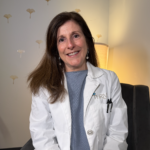
 By Nancy A. Palermo, MD
Edited by: Thrive Carolinas
“There is no such thing as a sudden heart attack. It requires years of preparation.”
Heart disease remains the number one cause of death in the United States
Despite decades of awareness campaigns, rising healthcare spending, and technological advances, outcomes have not improved meaningfully.
In 2018 alone, more than 800,000 Americans died from heart disease or related cardiometabolic conditions — accounting for one in three deaths nationwide. Just a few years earlier, the number was closer to 600,000. Despite billions spent annually on treatment, the trend continues to worsen.
This forces an uncomfortable but necessary question:
Are we treating heart disease — or simply managing it?
The Problem with a Narrow Approach
Conventional heart disease prevention focuses on a familiar set of risk factors:
- Elevated cholesterol
- High blood pressure
- Diabetes
- Smoking
- Sedentary lifestyle
While these are important, they tell only part of the story.
In fact, research shows that up to 50% of people who experience a heart attack or stroke have “normal” cholesterol levels by conventional standards. When prevention relies too heavily on a narrow screening lens, we miss opportunities to intervene earlier when disease is still preventable or even reversible.
A Broader, More Personalized Risk Profile
Emerging research suggests that hundreds of variables may influence cardiovascular risk. Even addressing a fraction of these can dramatically improve outcomes.
Key advanced risk factors include:
- Insulin resistance and fasting blood sugar dysregulation
- Inflammation and oxidative stress markers
- Lipoprotein(a) [Lp(a)]
- Genetic influences such as APOE and MTHFR
- Hormonal and metabolic signaling markers (insulin, leptin)
When identified early, these factors enable clinicians to personalize prevention strategies, moving beyond a one-size-fits-all approach.
Advanced diagnostic platforms, such as comprehensive cardiometabolic panels, now give clinicians better tools to assess true cardiovascular risk and tailor interventions accordingly.
Lifestyle Is Not “Alternative” — It’s Foundational
Perhaps the most overlooked truth in cardiology is this:
Up to 80% of cardiometabolic disease is preventable through diet and lifestyle.
And yet, nutrition and lifestyle counseling remain underutilized and under-reimbursed in traditional care models. Most physicians receive little formal training in nutrition, leaving patients to navigate conflicting advice on their own.
This gap has consequences.
Evidence for Prevention — and Reversal
There is strong clinical evidence that lifestyle medicine can rival, and sometimes outperform, pharmaceutical therapy in heart disease outcomes.
In 2010, Medicare began reimbursing a comprehensive lifestyle intervention pioneered by Dr. Dean Ornish, centered on:
- A whole-food, plant-forward diet
- Regular physical activity
- Stress management and social connection
Participants not only showed improvements in cardiovascular markers, but also experienced:
- Weight loss
- Reduced medication dependence
- Improved energy and quality of life
- Favorable changes in telomere length, a marker associated with cellular aging and longevity
These “side effects” compare favorably with those of many long-term medications.
Signs of Change — and Where Hope Lives
Forward-thinking institutions are beginning to respond. Health systems such as the Cleveland Clinic and Geisinger Health System have introduced Food Pharmacies, which combine access to healthy food with nutrition education and cooking skills.
While systemic change remains slow, progress is happening, often driven by patients and clinicians willing to rethink the status quo.
True transformation rarely begins from the top down. It begins when individuals are provided with the tools, knowledge, and support to take ownership of their health.
The Path Forward
Heart disease does not develop overnight, and it cannot be solved with a single medication or procedure.
By widening our lens to include:
- Personalized risk assessment
- Nutrition and lifestyle as primary tools
- Earlier, more proactive intervention
We can shift from disease management to disease prevention and, in many cases, reversal.
As anthropologist Margaret Mead once said:
“Never doubt that a small group of thoughtful, committed citizens can change the world. Indeed, it is the only thing that ever has.”
That same principle applies to healthcare and to the future of heart disease prevention.