
Motivation: Healthy Technology Habits: Finding Balance in a Digital World
Technology has become an essential part of everyday life. We use it to communicate, work, learn, manage our schedules, and even monitor our health.
While technology offers tremendous benefits, our relationship with it can also affect our physical and mental well-being.
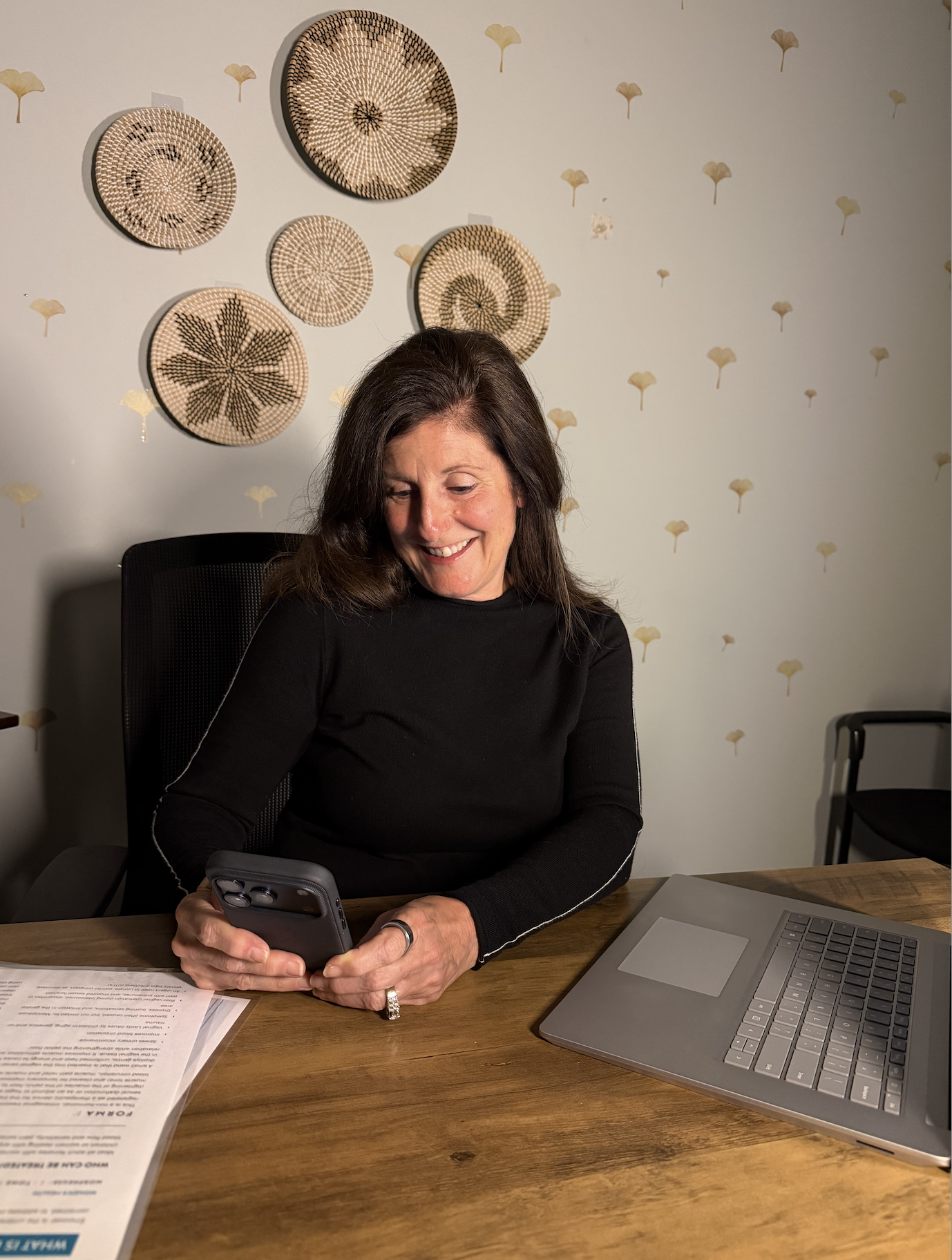
In this week’s motivation, Dr. Palermo encourages us to take a closer look at our daily technology habits and consider whether the time we spend connected helps or hinders our overall health.
The goal isn’t to eliminate technology. It’s to create healthier boundaries that allow us to enjoy its benefits without letting it dominate our days.
View this post on Instagram
How Does Technology Affect Our Health?
From smartphones and computers to televisions and tablets, screens are a constant presence in our lives.
Excessive or poorly timed technology use can affect several aspects of our health.
Sleep Quality
Using phones, tablets, or computers late into the evening can make it harder to wind down for sleep.
Bright light from screens, especially when combined with stimulating content, can disrupt our natural sleep-wake rhythms and delay bedtime.
Creating a consistent technology-free period before bed may help support better sleep habits.
Mental and Emotional Well-Being
Technology helps us stay connected, but constant notifications, information overload, and social media comparisons can sometimes contribute to stress and distraction.
For some people, spending too much time online may also crowd out activities that support emotional well-being, such as spending time outdoors, exercising, or connecting with others in person.
Being intentional about when and how we engage with technology can help us feel more present.
Physical Activity and Posture
Long periods of sitting while using computers or smartphones can contribute to a more sedentary lifestyle.
Extended screen use may also be associated with neck discomfort, muscle tension, and eye strain.
Taking regular movement breaks, adjusting your workspace, and changing positions throughout the day can help reduce some of these effects.
Focus and Attention
Frequent notifications and switching between apps, emails, and messages can interrupt concentration.
Even when we’re trying to complete one task, the temptation to check our devices can make it difficult to stay focused.
Creating uninterrupted periods for work, relaxation, and personal connections can help us be more intentional with our attention.
Five Ways to Build Healthier Technology Habits
The good news is that improving your relationship with technology doesn’t require a dramatic lifestyle overhaul.
Small, consistent changes can make a meaningful difference.
1. Create a screen-free bedtime routine.
Consider putting away phones and other devices 30–60 minutes before bedtime. Use that time to read, stretch, journal, or practice another calming activity.
2. Turn off unnecessary notifications.
Not every alert requires your immediate attention. Limiting nonessential notifications can reduce interruptions and help you stay focused on what matters.
3. Take regular movement breaks.
If you work at a computer, make a habit of standing, stretching, or walking periodically throughout the day.
4. Establish technology-free moments.
Try keeping phones away during meals, family conversations, or other activities where you want to be fully present.
5. Be mindful of your screen time.
Many devices offer tools that show how much time you spend on different apps.
Use that information as an opportunity for reflection rather than judgment. Ask yourself whether your technology use aligns with your priorities and how you want to spend your time.
Technology Can Also Support Healthy Living
It’s important to recognize that technology isn’t all negative.
Health and fitness apps, virtual healthcare visits, educational resources, and digital communication tools can help people make informed decisions and stay connected.
Technology can support exercise routines, track sleep patterns, provide access to medical information, and make healthcare more convenient.
The key is understanding when technology serves your needs and when it may take time away from other important parts of your life.
Your Motivation Challenge: Reclaim a Little Time
Dr. Palermo encourages us to examine our daily habits and our relationship with technology.
Start by choosing one small change.
Maybe that means leaving your phone in another room during dinner, avoiding social media before bed, or taking a short walk without checking notifications.
Notice how you feel when you create a little more space between yourself and your devices.
Healthy living isn’t always about adding something new to your routine.
Sometimes it’s about creating boundaries that give you more time for movement, rest, meaningful relationships, and the activities that bring you joy.
Technology should support the life you want to live not distract you from it.