
Motivation: Understanding the Shift from PCOS to PMOS
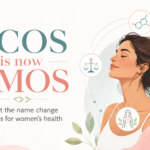
In this week’s motivation, Dr. Fletcher discusses an important development in women’s health: the evolving conversation around Polycystic Ovary Syndrome (PCOS) and the proposed shift toward the term Polyendocrine Metabolic Ovarian Syndrome (PMOS).
While many women are familiar with the term PCOS, the condition has long been recognized as much more than an ovarian disorder. The proposed name change reflects a growing understanding that this condition affects multiple hormone systems throughout the body—not just reproductive health.
Why the Name Change?
The traditional term “Polycystic Ovary Syndrome” focuses attention on the ovaries, but many experts believe that description fails to capture the full complexity of the condition.
Women with PCOS often experience challenges related to:
- Insulin resistance and metabolic health
- Hormonal imbalances
- Weight management
- Inflammation
- Cardiovascular risk factors
- Fertility and reproductive health
The proposed term Polyendocrine Metabolic Ovarian Syndrome (PMOS) emphasizes the interconnected hormonal and metabolic factors that contribute to the condition.
Looking Beyond the Ovaries
One of the reasons this discussion matters is that many women experience symptoms that extend far beyond reproductive concerns.
Common symptoms may include:
- Irregular menstrual cycles
- Weight gain or difficulty losing weight
- Acne or skin changes
- Excess hair growth
- Fatigue
- Insulin resistance
- Fertility challenges
By recognizing the broader metabolic and endocrine components of the condition, healthcare providers can take a more comprehensive approach to diagnosis and treatment.
A Whole-Body Perspective
At Thrive, women’s health is viewed through a whole-person lens. Conditions like PCOS and the evolving concept of PMOS highlight how closely connected our hormone systems, metabolism, nutrition, sleep, stress levels, and overall health truly are.
Understanding these connections helps create more personalized treatment strategies that address root causes rather than symptoms alone.
Why This Matters for Women
Language shapes understanding. When a condition is named in a way that better reflects what is happening in the body, it can improve awareness, education, and treatment.
Whether you know it as PCOS or PMOS, the goal remains the same: helping women better understand their bodies, identify underlying imbalances, and access the support they need to thrive.
Watch Dr. Fletcher’s Motivation below to learn more about what this proposed change means and why it matters for women’s health.
View this post on Instagram