

PCOS Has a New Name: What PMOS Means for Women’s Health
Written by: Dr. Amy Fletcher
Edited by: Thrive Carolinas
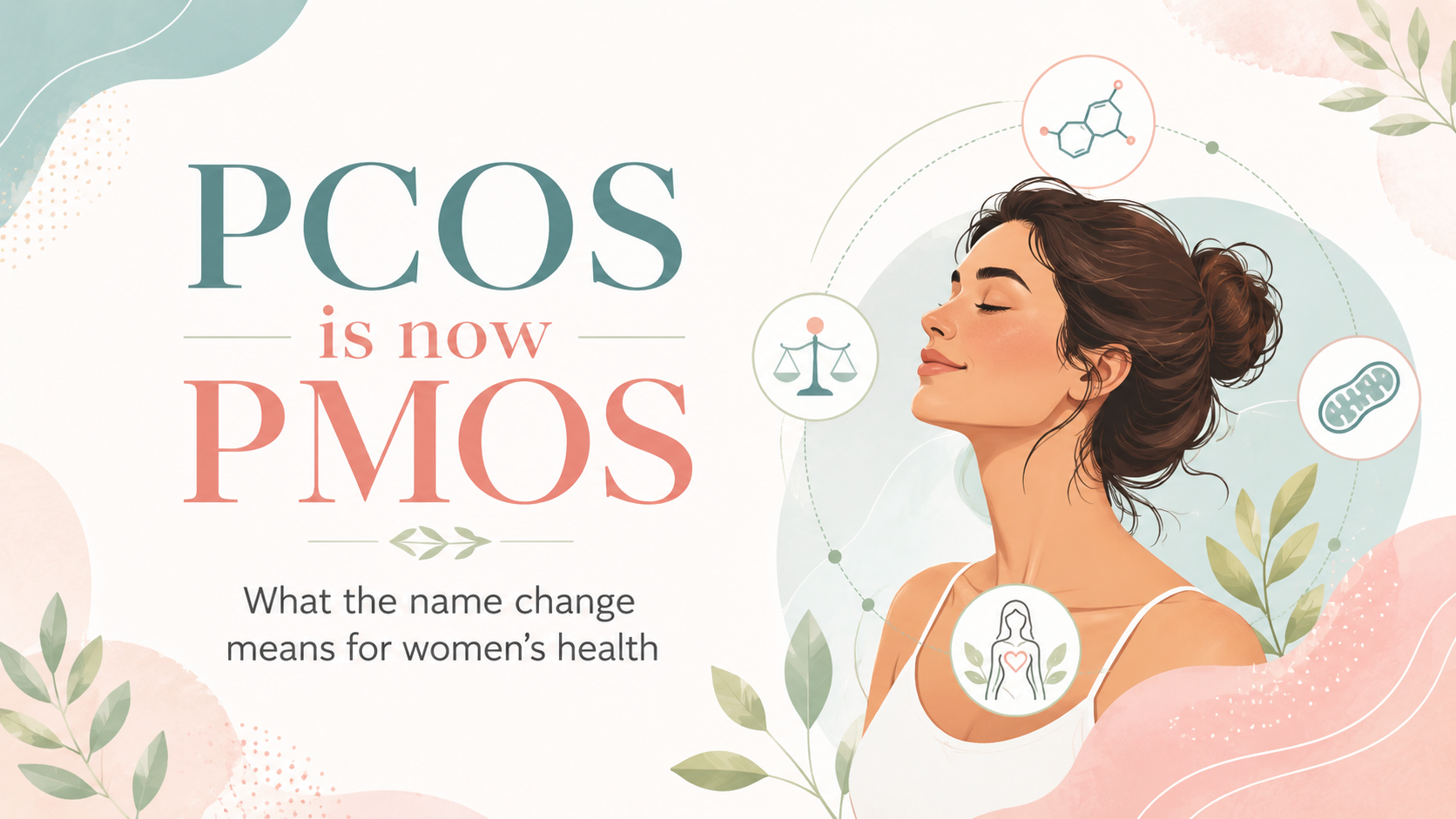
For years, Polycystic Ovary Syndrome, commonly known as PCOS, has been one of the most common yet misunderstood hormone conditions affecting women. Now, the condition has a new name: Polyendocrine Metabolic Ovarian Syndrome, or PMOS.
While the name may sound more complicated at first, the change is meant to make the condition easier to understand and more accurately describe what is really happening in the body.
PCOS was never just about ovarian cysts. In fact, many women with the condition do not have true ovarian cysts at all. The older name often led people to think of PCOS as only a reproductive or gynecologic condition. But we now understand that this condition affects multiple systems in the body, including hormones, metabolism, insulin regulation, inflammation, skin health, menstrual health, fertility, mood, and long-term cardiovascular risk.
The new name, PMOS, helps reflect the bigger picture.
Why Was PCOS Renamed PMOS?
The name “Polycystic Ovary Syndrome” has been debated for years because it does not fully explain the condition. The word “cystic” can be misleading, and the focus on the ovaries alone can minimize the broader endocrine and metabolic impact.
PMOS stands for:
Polyendocrine – involving multiple hormone systems
Metabolic – connected to insulin, blood sugar, weight, cholesterol, inflammation, and long-term metabolic health
Ovarian – still acknowledging the reproductive and ovulatory symptoms many women experience
Syndrome – recognizing that symptoms can vary widely from person to person
This shift is important because many women with PMOS are told their labs are “normal,” that their symptoms are unrelated, or that they only need to address the condition if they are trying to become pregnant. That can lead to years of frustration, delayed diagnosis, and missed opportunities for prevention.
PMOS Is More Than a Period Problem
PMOS can show up differently in different women. Some may experience irregular cycles, acne, unwanted facial hair, hair thinning, weight changes, or difficulty getting pregnant. Others may have more subtle symptoms, such as fatigue, blood sugar swings, cravings, mood changes, or difficulty losing weight despite healthy habits.
Common features may include:
- Irregular or skipped menstrual cycles
- Higher androgen activity, which may contribute to acne, facial hair growth, or scalp hair thinning
- Insulin resistance or blood sugar imbalance
- Weight gain or difficulty losing weight
- Fertility challenges related to irregular ovulation
- Skin changes, including darkened or velvety patches of skin
- Increased risk for type 2 diabetes, metabolic syndrome, fatty liver disease, sleep apnea, anxiety, depression, and cardiovascular concerns
Not every woman will have every symptom. That is part of what makes PMOS so complex — and why a more complete, whole-person approach matters.
Why the Name Change Matters for Patients
At Thrive, we believe language matters. The way we name and describe a condition can influence how seriously it is taken, how quickly it is diagnosed, and how comprehensively it is treated.
For many women, the old name created confusion. If an ultrasound did not show cysts, they may have been told they did not have PCOS. If their primary concerns were weight gain, acne, fatigue, or insulin resistance, they may have been treated symptom by symptom rather than having the full pattern evaluated.
The term PMOS better highlights that this is a metabolic and hormonal condition that deserves thoughtful, proactive care.
This does not mean the diagnosis or treatment suddenly changes overnight. The name change is part of a larger shift in how clinicians, researchers, and patients understand the condition. But it does help reinforce an important message: PMOS is not simply a fertility issue or a cosmetic concern. It is a whole-body health condition.
A Functional Medicine Perspective on PMOS
A functional medicine approach looks beyond symptom management and asks: Why is this happening, and what systems need support?
For women with PMOS, that often means looking at:
- Insulin resistance and blood sugar regulation
- Inflammation
- Stress and nervous system function
- Sleep quality
- Gut health
- Nutrient status
- Thyroid health
- Adrenal function
- Hormone patterns across the menstrual cycle
- Cardiovascular and metabolic risk factors
This does not replace conventional care. Instead, it can help create a more complete plan that supports the whole person.
Depending on the individual, care may include nutrition strategies, movement, strength training, sleep support, stress reduction, targeted supplementation, medication when appropriate, hormone support, and ongoing monitoring of metabolic markers, including glucose, insulin, lipids, blood pressure, and liver health.
What Women Should Know
If you were previously diagnosed with PCOS, you do not need to panic or start over. PMOS is the new term for the same condition, reflecting a better understanding of what it involves.
If you suspect you may have PMOS, it is worth having a more complete evaluation, especially if you have irregular periods, acne, unwanted hair growth, weight changes, fertility concerns, blood sugar issues, or a family history of type 2 diabetes or hormone-related conditions.
It is also important to know that PMOS can affect health beyond the reproductive years. Even if pregnancy is not a current concern, the metabolic and cardiovascular aspects of PMOS still deserve attention.
Moving Forward With Better Understanding
The renaming of PCOS to PMOS is more than a terminology update. It is a reminder that women’s symptoms should be taken seriously, patterns matter, and whole-body health deserves a whole-body approach.
For women who have felt dismissed, confused, or frustrated by years of disconnected symptoms, this shift is validating. PMOS gives us a more accurate framework for understanding the condition and a better opportunity to support long-term health.
At Thrive, our goal is to help patients understand what their bodies are communicating and create personalized plans that address the root causes, not just the symptoms.
If you have questions about PMOS, hormone health, metabolic health, or whether your symptoms may be connected, our team can help guide the conversation.