
logo

Welcome to Thrive

THRIVE is a collaborative platform of conventional, integrative, & functional medicine practitioners coming together in one setting to provide personalized healthcare to clients.
Working Hours
Monday - Friday 8:00AM - 5:00PM EST

Cart

M - Th 8a - 5p, F 8a - 4p, Sa 10a - 1p, Su - Closed

(704)-390-7150

6401 Carnegie Blvd, Suite 2A, Charlotte, NC 28211

Top

Healthy Eating

Thrive Carolinas / Healthy Eating (Page 4)

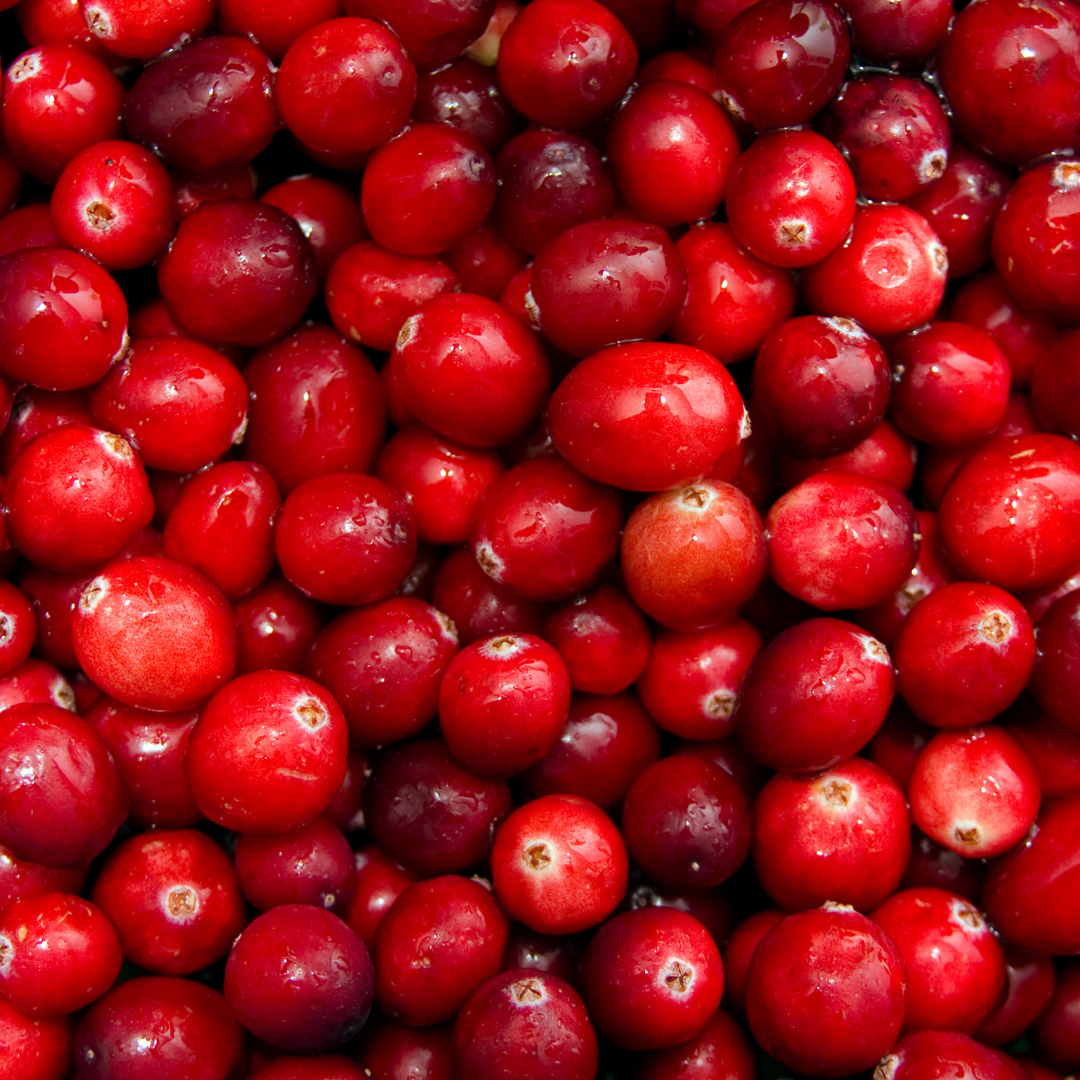
Cranberries: Beyond Thanksgiving

November may be the only month you buy a bag of cranberries, but these tangy fruits pack a powerful nutritional punch. These tiny berries are grown on vines in large, sandy bogs. The average American can consume over 2 pounds of cranberries; however, this is mostly through juice, as 95% of cranberries are processed into juice and other drinks. Less than 5 percent of purchased cranberries are in the fresh form. As you will see, the processed version does not offer the same benefits. Cranberries are tart and can be challenging to eat without being sweetened with sugar or honey. They are acidic and share a pH like lemons, explaining why sugar is often added to recipes with cranberries. In fact, the sugar-ladened canned cranberry gelatin, first...

Share

Pan-Seared Cod in White Wine Tomato Sauce

Ingredients: 3 tablespoons Light Olive Oil 4 pieces Fresh Cod Fillets (200-250 grams each) 300 grams Cherry Tomatoes cut in half 1/4 cup Garlic, chopped finely 1/2 cup Chardonnay White Wine Juice of 1 Lemon Fresh Thyme Leaves Salt & Pepper, to taste Directions: Heat oil in a large sauté pan. Season cod fillets with salt and paper. Add it to the pan and cook until golden brown and tender, it will take about 3 minutes on each. Once the cod fillets are cooked, remove from the pan and set it aside. Use the same sauté pan, add more oil if pan is getting dry. Add the cherry tomatoes and cook until they are soft and blistering. Add the garlic and sauté for about a minute. ...

More Evidence to Support Primary Prevention in Breast Cancer

By Dr. Nancy A. Palermo, MD Edited by: Thrive Carolinas A recent landmark study published in BMJ Oncology by researchers from the University of Edinburgh examined the incidence of 29 cancers in individuals aged 14 to 49 across 200 countries over a 30-year period. The findings were alarming: the incidence of cancers in those under 50 rose by 79%, accounting for over 3.26 million cases. The researchers suggested that this increase is not due to genetic factors but rather to environmental influences like poor diet (high in processed foods and added sugars), alcohol consumption, smoking, physical inactivity, obesity, and exposure to environmental toxins. Our genes haven't changed in the last 30 years, but our environment has—highlighting the need for lifestyle changes to address this growing issue. The...

Share

Cooking with Condiments: The Good, the Bad and the Ugly

Written By: Nancy A. Palermo, MD Edited by: Thrive Carolinas Condiments are a staple in most kitchens, adding flavor and depth to our meals. But while they enhance taste, many condiments come loaded with hidden calories, salt, sugar, and additives that can sneak into our diets. In our upcoming Thrive Cooking Class, we’ll teach you how to use and make healthier condiments that pack flavor without sacrificing your health. The Hidden Dangers of Common Condiments Before you grab your favorite condiment, here are a few things to keep in mind: Avoid Inflammatory Oils Many condiments contain unhealthy fats, such as vegetable, canola, and sunflower oils, which can contribute to inflammation. Always check the label and opt for healthier alternatives. Watch for Artificial Flavors and Additives Condiments often contain artificial flavors, added...

Share

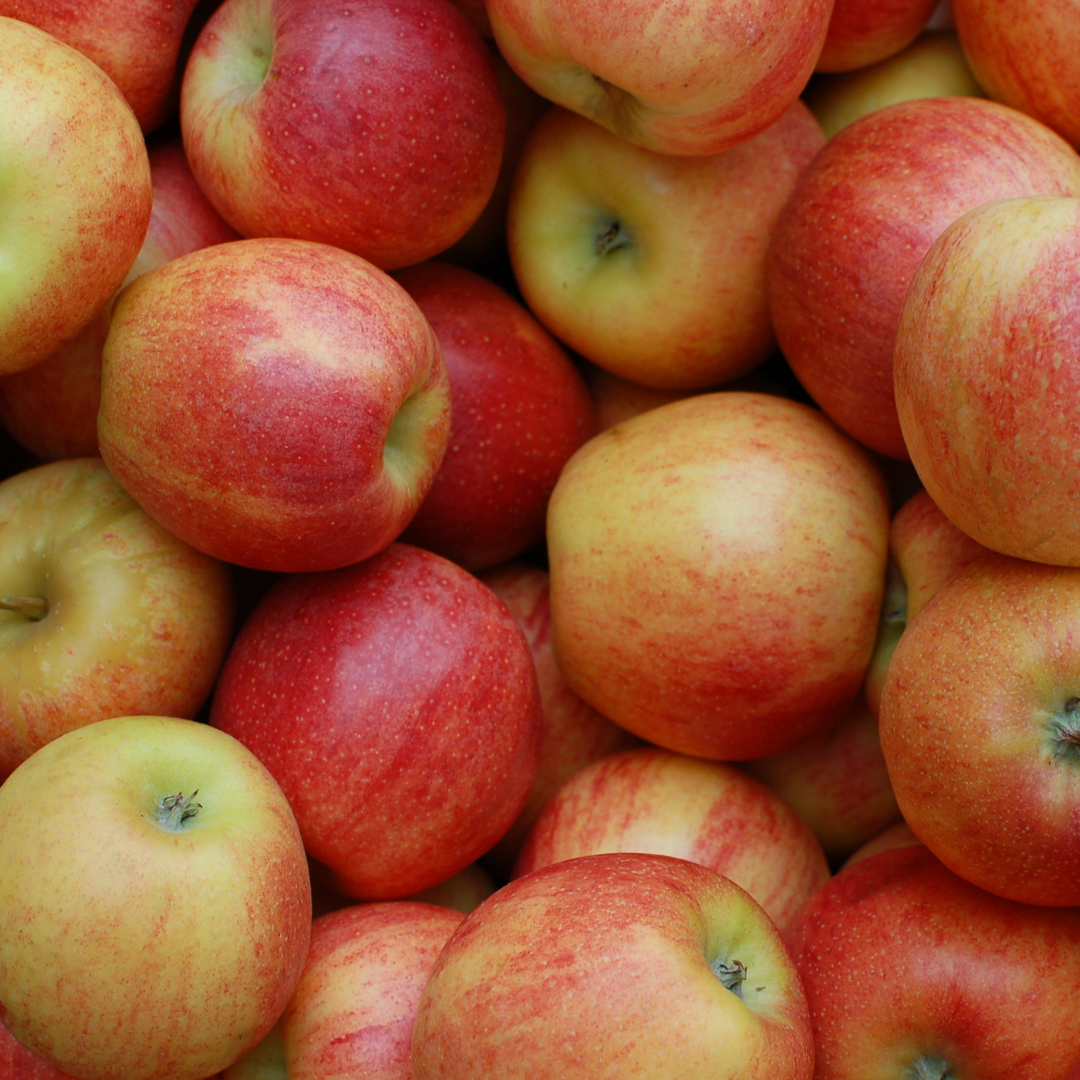
The Science Behind an Apple a Day

The Science Behind an Apple a Day Nancy A. Palermo MD Everyone knows the saying,” An apple a day keeps the doctor away.” While this cliché may not be entirely true, there is enough evidence that apples have nutritional value to be considered health-promoting food. Current research into the power of food shows there are real reasons this powerful fruit might just reduce your doctor’s visits. Apples are nutritional powerhouses. Providing 4 gm of fiber, Vitamin C, and K, but more importantly, one apple can provide 22% of the phenolic antioxidants. Antioxidants are compounds that help to neutralize free radicals in the body, which can lead to tissue damage. Getting sufficient antioxidants is associated with a reduction in cancer cell proliferation, a reduction in damage to our DNA, a reduction...

Tuscan Bean Dip

Looking for a quick, flavorful appetizer that brings the taste of Italy to your table? This Tuscan Bean Dip is the perfect blend of creamy cannellini beans, fresh herbs, and zesty olive oil. It's easy to make, packed with Mediterranean flavors and pairs perfectly with crusty bread or fresh veggies. Whether you're hosting a gathering or want a healthy snack, this dip will impress! Ingredients: 2 (19-ounce) cans cannellini beans 2 Bay leaves 1 Small red onion, minced 5 Roma tomatoes, seeded and diced (or whichever tomato is freshest and in season) 2 Tablespoons garlic, minced 1/4 Cup fresh Italian (flat-leaf) parsley, chopped 1/2 Cup fresh basil, finely chopped 2 Cups good-quality olive oil, plus more if needed 2 teaspoons dried oregano 1 to 2 teaspoons crushed...

What is Insulin Resistance?

[caption id="attachment_8775" align="alignleft" width="240"] Harlee Palmer, PA-C[/caption] By: Harlee Palmer, PA-C Insulin resistance is a growing health concern, often preceding type 2 diabetes, heart disease, and metabolic syndrome. As the body's cells become less responsive to insulin, a hormone responsible for regulating blood sugar levels, glucose builds up in the bloodstream. This leads to a range of metabolic issues that can have long-term health consequences. By some counts, over 80% of our population has some degree of insulin resistance. Early detection and lifestyle changes can sometimes mitigate these risks and even reverse insulin resistance. Insulin is a hormone produced by the pancreas that allows cells to absorb glucose from the blood, converting it into energy. In insulin resistance, the body's cells become less responsive to insulin, requiring more of the...

Share
Fresh pumpkins and roasted pumpkin seeds arranged on a rustic wooden table, representing healthy fall ingredients.

It’s Pumpkin Season

As fall approaches, temperatures drop, leaves start to change, and Starbucks releases its menu of fall favorites like Pumpkin spice. Pumpkins have become synonymous with fall, so it makes sense to feature them in autumn recipes and tout their many health benefits. Pumpkins are a type of squash in the Cucurbita family, which also includes other winter squash, zucchini, and cucumbers. They were discovered over 10,000 years ago in Guatemala and Mexico and were treasured for their seeds. With cultivation and agricultural changes, however, pumpkins, like many other harvests, have become sweeter, fleshier, and more like the winter squash we see in the supermarkets. Pumpkins have many health benefits, motivating you to include them in your fall recipes. Pumpkin is a starchy vegetable, but it is relatively low in...

Grilling: Food Preparation and Toxicity: 2024

There is a lot more attention paid to our food sources and the type of food we eat. We recognize the importance of organic, minimally processed foods and their roles in health and disease prevention. It turns out that how we cook these foods plays an equally important role. When the weather is favorable, many cook meals on our outdoor grill. While small amounts of grilling are acceptable, research has suggested that meats may form carcinogenic chemicals called heterocyclic amines (HCAs) and polycyclic aromatic hydrocarbons (PAHs) when charred or cooked over high heat. Epidemiologic studies have linked cooking meats at high temperatures with an increased risk of pancreatic, prostate, stomach, and colorectal cancers. The culprits associated with this risk may be these heterocyclic amines (HCAs) and polycyclic...

Share

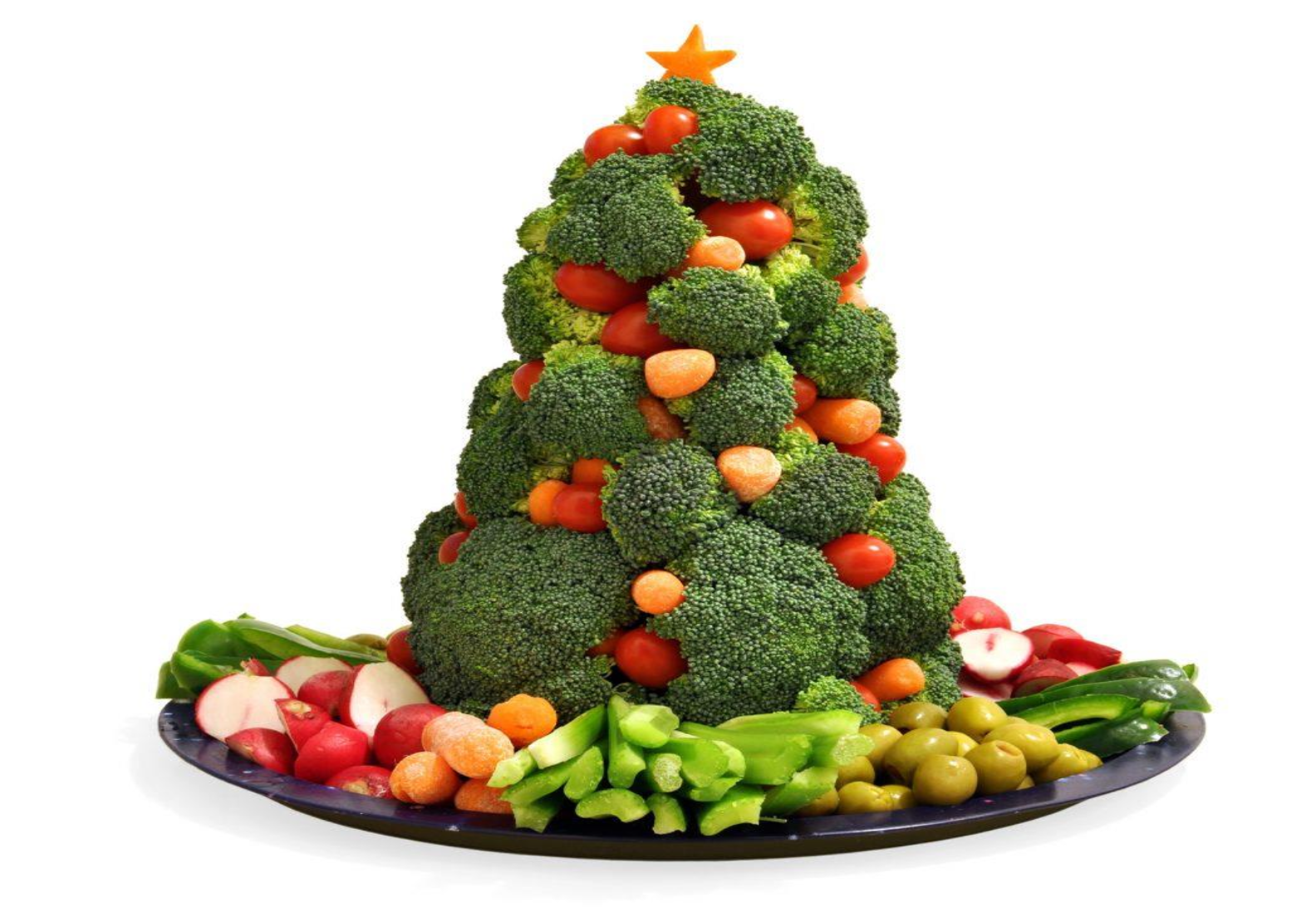
Food As Medicine: Consider the Broccoli Stalk

When your parents told you to eat your broccoli, they were looking out for your best interests. We now know that broccoli has several disease-fighting benefits that can optimize many aspects of your health. Some of this pharmaceutical importance includes its antimicrobial, antioxidant, anticancer, immunomodulator, antidiabetic, hepatoprotective, and cardioprotective roles. We will dive into science a bit, but you will leave this article wanting to crunch on more of this important vegetable. Broccoli, which originated in Italy, is a cruciferous vegetable or brassica, like cabbage, Brussels sprouts, kale, and cauliflower. Its edible parts include the stem, leaves, and the flowers or head of the stalk. Nutritional Benefits Broccoli is an excellent source of vitamins C, K and A, It also provides important minerals like potassium, calcium and iron when consumed. Vitamins...

Subscribe!