
logo

Welcome to Thrive

THRIVE is a collaborative platform of conventional, integrative, & functional medicine practitioners coming together in one setting to provide personalized healthcare to clients.
Working Hours
Monday - Friday 8:00AM - 5:00PM EST

Cart

M - Th 8a - 5p, F 8a - 4p, Sa 10a - 1p, Su - Closed

(704)-390-7150

6401 Carnegie Blvd, Suite 2A, Charlotte, NC 28211

Top

Healthy Eating

Thrive Carolinas / Healthy Eating (Page 3)

Breakfast: The Most Important Meal of the Day?

At Thrive, we’re often asked: Is breakfast really the most important meal of the day? Since childhood, many of us have been told that eating a good breakfast sets the tone for the entire day. But how much of that is fact—and how much is clever marketing? A Brief History of Breakfast Historically, breakfast wasn't always a daily staple. Ancient civilizations like the Romans typically ate one meal a day, skipping breakfast entirely. In the Middle Ages, adults often avoided breakfast, associating it with gluttony—though children were the exception. It wasn’t until the 17th and 18th centuries that breakfast became more common, primarily among the wealthy. Simple foods like bread, butter, tea, and coffee dominated morning meals. The Industrial Revolution of the 19th century changed everything. With stricter work schedules,...

Share

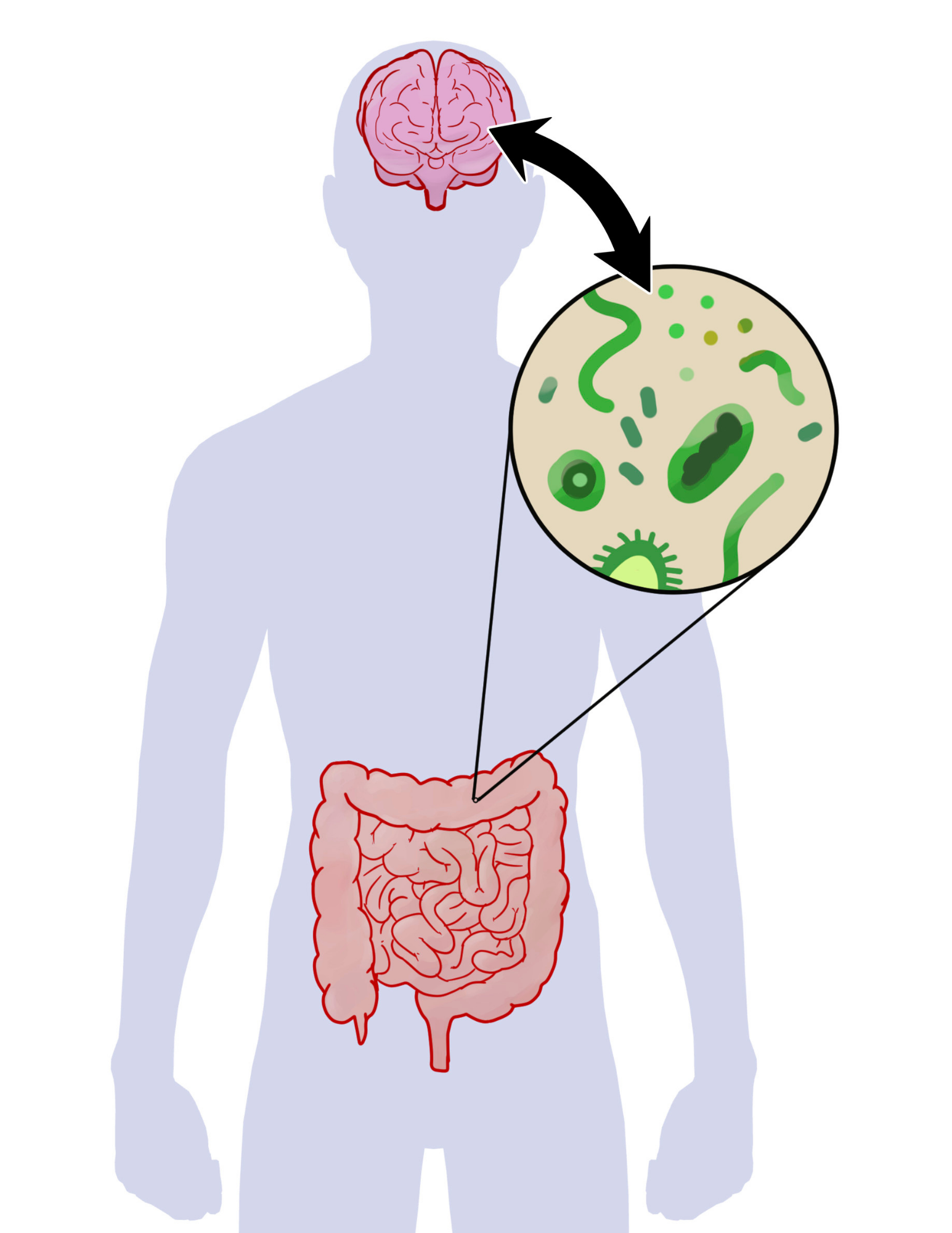
The Mighty Microbiome: How Gut Health Impacts Your Overall Wellness

What is the Microbiome & Why Does It Matter? Your gut microbiome plays a crucial role in overall health, influencing everything from immune function and metabolism to mental well-being. Recent research has linked gut bacteria imbalances—also known as dysbiosis—to chronic diseases such as: Type 1 Diabetes & Rheumatoid Arthritis Multiple Sclerosis & Autoimmune Disorders Obesity, Type 2 Diabetes & Metabolic Syndrome Anxiety, Depression & Neurodegenerative Diseases The gut is connected to the brain, immune system, and metabolism, meaning what you eat directly impacts your microbiome and, in turn, your overall health. The Science Behind Gut Health & Disease Prevention Over $1.7 billion has been spent on microbiome research, revealing that imbalances in gut bacteria can contribute to inflammation and disease progression. Studies show that: Microbial dysbiosis leads to chronic...

Share
Image of ultra-processed foods

The Hidden Dangers of Ultra-Processed Foods & How to Make Healthier Choices

Why Ultra-Processed Foods Are a Growing Health Concern Ultra-processed foods are everywhere—from packaged snacks and frozen meals to sugary drinks and fast food. They make up 60% of the American diet, yet research now confirms their strong link to obesity, chronic disease, and even mental health disorders. A 2024 study in the British Journal of Medicine found “convincing and highly suggestive” evidence that frequent consumption of ultra-processed foods is associated with higher risks of early death, heart disease, insulin resistance, and diabetes. Even organic and so-called "healthy" packaged foods often contain added sugars, seed oils, and preservatives, making them just as harmful as their conventional counterparts. Understanding how ultra-processed foods impact health is crucial for making informed dietary choices and reducing long-term health risks. What Are Ultra-Processed Foods? Ultra-processed foods...

Share

Bergamot: A Natural Solution for Heart Health and Cholesterol Management

What is Bergamot? Bergamot (Citrus bergamia) is a citrus fruit that originates from Southern Italy. A hybrid of bitter orange and lemon, it is widely used for its essential oil (BEO) in perfumes, cosmetics, and aromatherapy. However, recent research has highlighted bergamot’s powerful health benefits, particularly in cholesterol management, heart health, and metabolic support. Key Health Benefits of Bergamot 1. Supports Healthy Cholesterol Levels Bergamot contains polyphenols and flavonoids that help: Lower LDL ("bad" cholesterol) Reduce triglycerides Improve HDL ("good" cholesterol") Decrease small dense LDL particles linked to heart disease Studies suggest that bergamot may serve as a natural alternative for individuals who are statin-intolerant or prefer a more holistic approach to cholesterol management. 2. Aids in Heart Health & Reduces Cardiovascular Risk Bergamot has shown positive effects on arterial health by...

Share

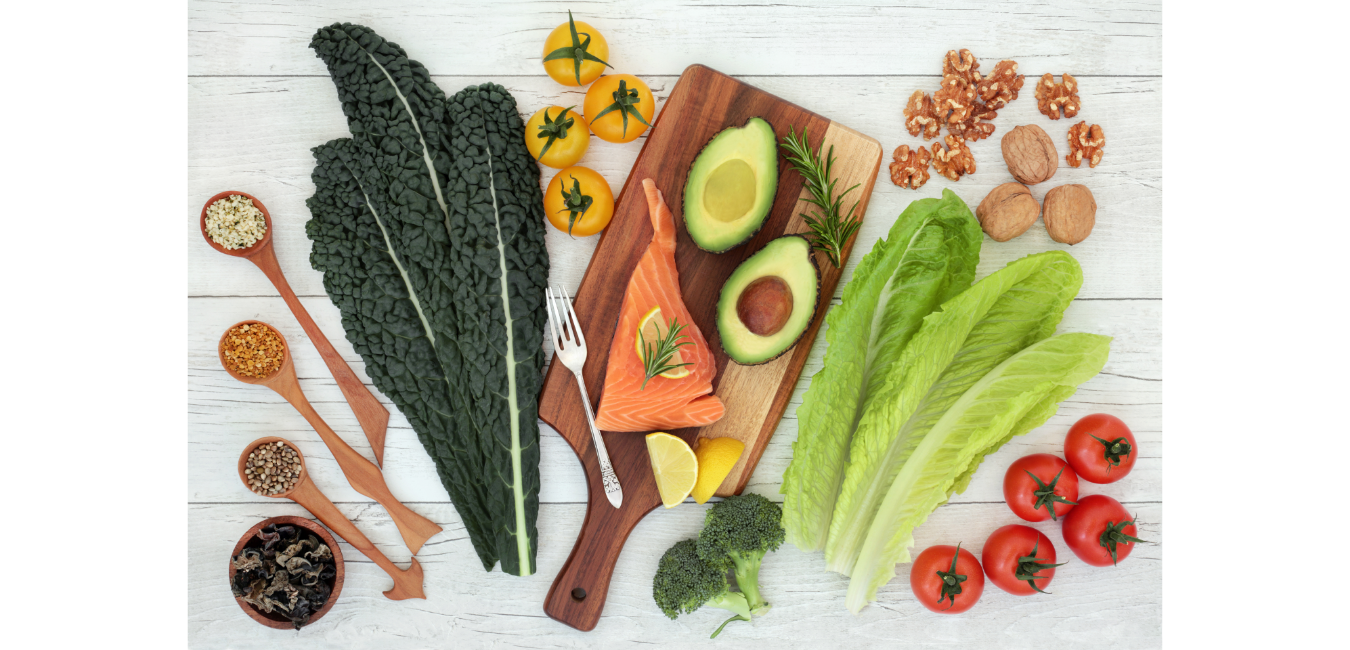
The New Mediterranean Diet: A Modern Approach to Healthy Eating

Written by: Nancy Palermo Edited by: Thrive Carolinas Understanding the Evolution of the Mediterranean Diet The Mediterranean diet has long been recognized as one of the healthiest eating patterns. It is known for its ability to promote longevity and reduce the risk of chronic diseases such as heart disease and diabetes. Traditionally, this diet is associated with the cuisines of Greece, Italy, and Spain, emphasizing whole foods like fruits, vegetables, whole grains, legumes, lean proteins, olive oil, nuts, and seeds. However, limiting the Mediterranean diet to just these three countries overlooks the diverse and equally nutritious diets of more than 20 nations that border the Mediterranean Sea. What Is the New Mediterranean Diet? The New Mediterranean Diet expands on the traditional Mediterranean diet by incorporating a wider variety of global...

Share

Weight Management Solutions: A Comprehensive Approach

Written By: Dr. Tracy Larson Edited By: Thrive Carolinas Weight management has become a key focus in healthcare, driven by its strong links to serious health concerns such as diabetes, high blood pressure, heart disease, dementia, and cancer. At the same time, societal factors and lifestyle changes have contributed to a sharp rise in obesity rates. Today, nearly 40% of U.S. adults are classified as obese, and 70% fall into the overweight or obese category. Childhood obesity is also on the rise, setting the stage for significant long-term health challenges. At Thrive, we offer a holistic, personalized approach to weight management. While medications can play a role, we focus on sustainable lifestyle changes that empower individuals to achieve lasting health and wellness. Understanding the Obesity Epidemic Obesity is a complex...

Supporting Your Natural Detoxification Systems

Written by: Nancy Palermo, MD | Edited by: Thrive Carolinas Our modern environment is filled with toxins—from the foods we eat and the water we drink to the air we breathe and the products we use daily. Fortunately, our bodies are naturally equipped with robust detoxification systems. The liver, gastrointestinal (GI) tract, and kidneys work together to eliminate harmful substances through urine, stool, mucus, and sweat. Sometimes, however, our “toxic load” becomes too great, and we need extra support. That’s where temporary diets and detox protocols can help. Let’s explore how the body’s built-in detoxification process works and ways to support it naturally. Factors Influencing Toxic Load Several elements can affect how well our bodies handle toxins, including: Environment: Pollutants, chemicals, and other external contaminants Genetics: Inherited predispositions that...

Share

Counting Your Macros and Enjoying What You Eat

Are you looking to shed unwanted pounds, build muscle, or simply eat healthier? Although we’ve long heard that weight management is all about “calories in and calories out,” there’s more to it than just tracking calories. By focusing on macronutrients—proteins, fats, and carbohydrates—you can create a more personalized, effective plan to reach your health goals without feeling deprived. So, What Exactly are Macronutrients? “Macros” is short for macronutrients, the nutrients that provide energy, specifically proteins, fats, and carbohydrates. Proteins and carbohydrates provide four calories per gram, and fats deliver nine calories per gram. We need to consider macronutrients as a source of fuel for our bodies. The total calorie intake comes from the macronutrients.  We do not want to confuse macronutrients with micronutrients. Micronutrients are the vitamins and minerals...

Healthy Habits to Maintain During the Holidays – Part 2

Mindful Holiday Health Tips Part 2 – Mindful Eating and Social Strategies Written by: Nancy Palermo Edited by: Thrive The holiday season is often filled with gatherings and delicious foods that can challenge even the most disciplined of us. However, with mindful eating practices and smart social strategies, you can enjoy the festivities without compromising your health goals. Check-in with Your Hunger Before you start eating, think about how you want to feel at the end of the meal. Assess Hunger Levels: Ask yourself how hungry you are before eating, and continue to check in throughout the meal. Set Intentions: Aim to feel satisfied and happy rather than overly full and sluggish. Mindful Eating: This simple exercise can make the difference between a food coma and enjoying the rest of...

Share
Image of snowflake oranment

Healthy Habits to Maintain During the Holidays – Part 1

Mindful Holiday Health Tips Part 1 – Healthy Habits to Maintain During the Holidays Written by: Nancy Palermo, MD Edited by: Thrive The holiday season can be challenging for anyone trying to make healthy choices. With added time constraints, many of us struggle with exercising, maintaining healthy sleep habits, or limiting the intake of processed and sugary foods that abound at this time of year. The added burdens of financial, political, and social stressors can crack our resolve and discipline even more. Many of us enter the holiday season with extra padding, and we must focus on what we can control to maintain our well-being. While we cannot control whether it will be a white Christmas, if our flight will be delayed, or what food our families might serve...

Share
Subscribe!