

logo

Welcome to Thrive

THRIVE is a collaborative platform of conventional, integrative, & functional medicine practitioners coming together in one setting to provide personalized healthcare to clients.
Working Hours
Monday - Friday 8:00AM - 5:00PM EST

Cart

M - Th 8a - 5p, F 8a - 4p, Sa 10a - 1p, Su - Closed

(704)-390-7150

6401 Carnegie Blvd, Suite 2A, Charlotte, NC 28211

Top

Author: Thrive Carolinas

Thrive Carolinas / Articles posted by Thrive Carolinas (Page 43)

May is Mental Health Awareness Month

[caption id="attachment_4834" align="alignleft" width="300"] Dr. Scott Greenapple[/caption]  May is Mental Health Awareness Month, and April is Stress Awareness Month.  So, we will combine a few theories, thoughts, and “tools” with helping people become aware and educated and offer some guidance for you or any you may know who suffers from these diseases.   Globally, mental health issues are on the rise. From COVID, political unrest, the war in Ukraine, climate change, inflation, and government involvement in woman’s rights, there is a sense of angst with so much uncertainty and division among us.  With that being said, I am not sure if I have ever witnessed in my lifetime more depression, anxiety, and general anxiety disorder (GAD) being reported in the media or seen in health care professional practices.  Some...

Slow Steamed Artichokes

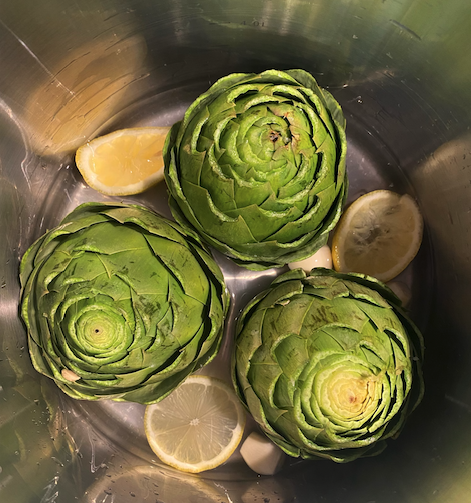
Artichokes are great prebiotics and make your good gut microbes incredibly happy. When they are happy they will reward you with health benefits. Artichokes can be intimidating but are well worth the effort. Try with a Lemon Dijon dipping sauce or with a vinaigrette in place of butter. Ingredients: 4-6 artichokes 1 1/2 cups water 2 T olive oil 3 slices of lemon 2 cloves of garlic Directions Cut stems flush with the base of the artichoke so it can stand flat. Cut an inch off the top and snip off the tips of leaves. Arrange artichokes stem end down and packed together in a slow cooker. Add water, lemon, and garlic. Cover and cook on low until each leaf are tender and separates without resistance (about 7...

Hibiscus Green Tea

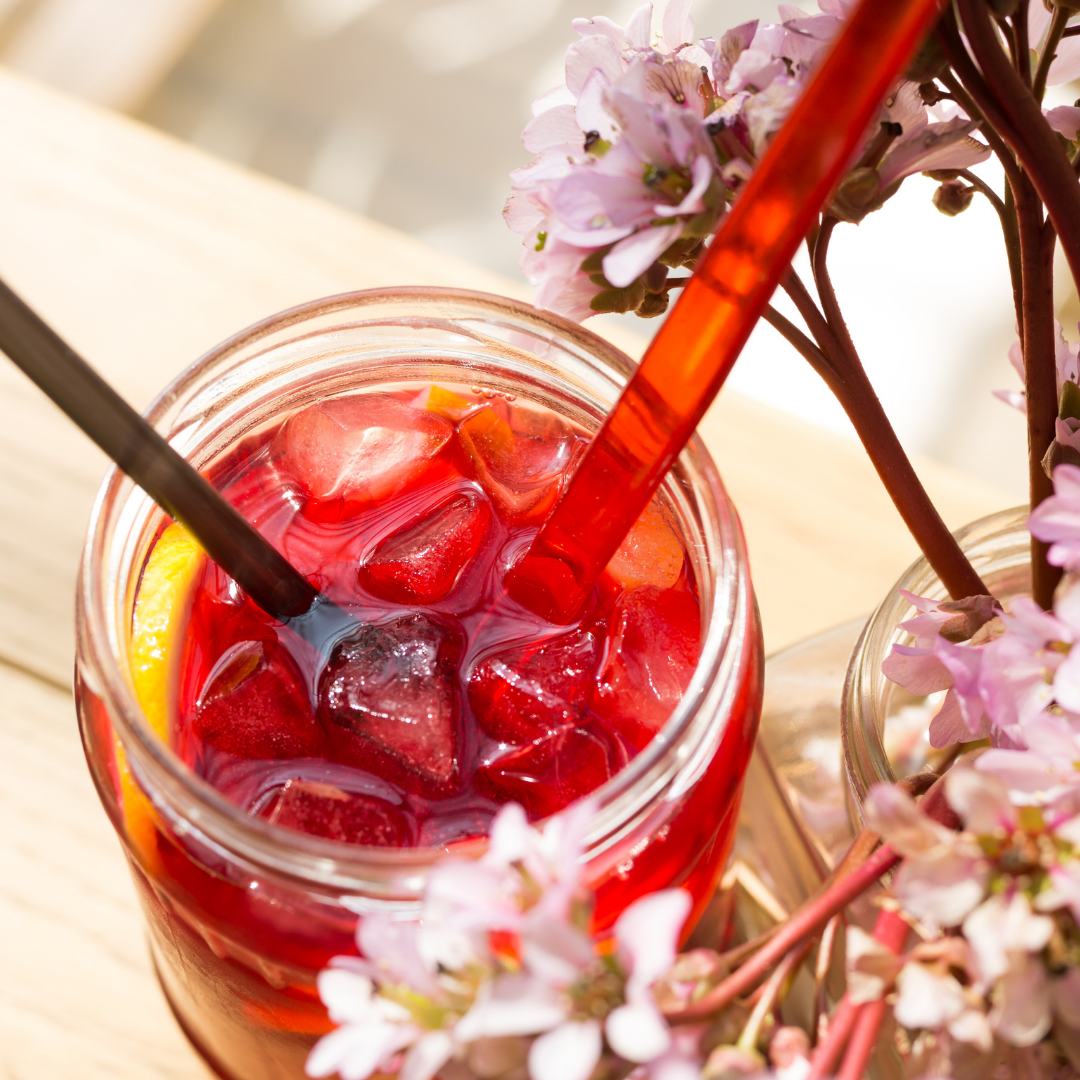
Hibiscus tea has been shown to reduce blood pressure and green tea is packed with antioxidants. This tea can be chilled and enjoyed as an iced tea. ¼ cup of organic loose tea or 4-5 organic green tea bags ½ cup of dried organic hibiscus flowers or 5-6 organic tea bags 8 cups of filtered water 2 tsp lime juice 2-4 T organic honey Bring water to a boil. Add tea or tea bags to a large bowl with lime juice. Add hot water to the bowl and allow to steep for 10-15 minutes. Remove tea bags or strain. Add honey to taste. ...

Could An Elimination Diet Cure All Your Woes?

Fifty percent of Americans believe they have some form of food sensitivity yet until recently medical specialists did not give this any consideration. Gluten sensitivity has recently received the most attention with gluten-free foods lining aisles in the grocery and gluten-free options finding their way onto restaurant menus. Many people just decide they have intolerance and remove the food from their diet.   Medical science is now recognizing that food sensitivities may be causing more than stomach aches, gas, and bloating. Some chronic conditions are now being blamed on the body’s reaction to certain “trigger” foods. Eliminating these “triggers” may help those suffering from chronic ailments including digestive problems and IBS, headaches, chronic sinus pressure and drainage, low energy, skin irritations, joint pain, and weight fluctuations...

Kimchi

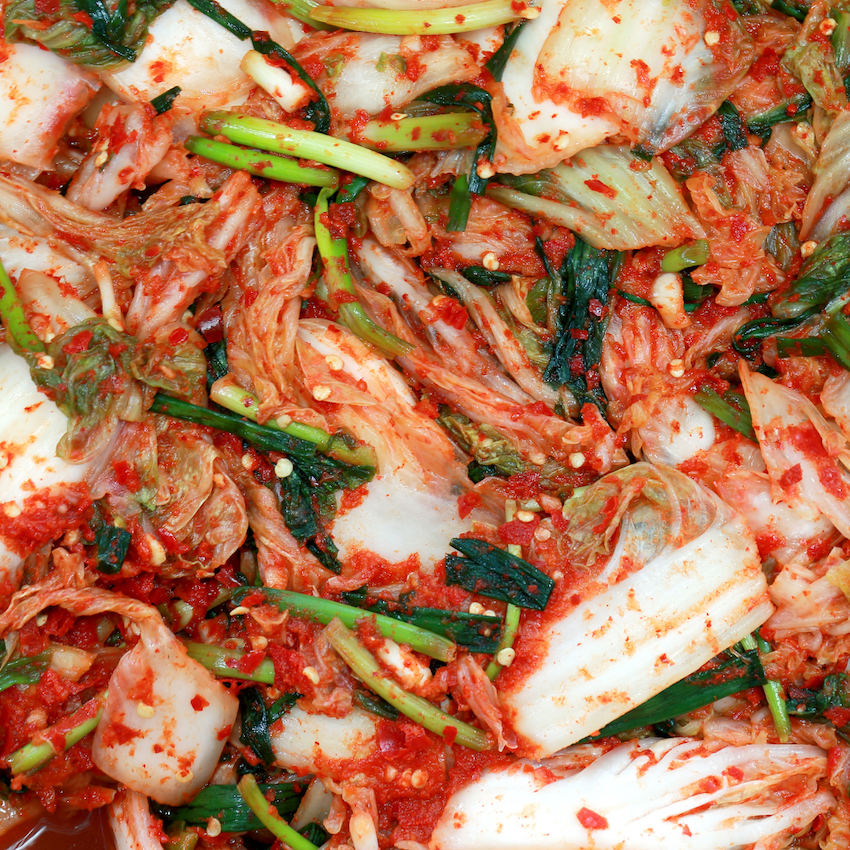
Use your kimchi as an addition to a rice bowl or top chicken or shrimp burgers with it for a spicy twist. Of course, you can just eat it too!!! Ingredients: 1 Chinese or Napa Cabbage cut into 2-inch pieces 1 -2 cups of filtered water 1 Daikon radish sliced, or 2 regular radishes sliced 4 green onions/scallions chopped ¼ cup rock salt or iodine-free salt like sea salt or Himalayan salt 5-6 garlic cloves, minced 2 large slices of fresh ginger, minced 1-2 T of red pepper flakes 1 t sugar 2 T fish sauce (can substitute shrimp paste) 1 t rice wine vinegar 1-quart jar for fermentation   Instructions: Cut the cabbage lengthwise into four strips then cut into 1–2-inch pieces. Add the cut-up cabbage to...

Akkermansia Mucinophila: Your New Best Gut Friend

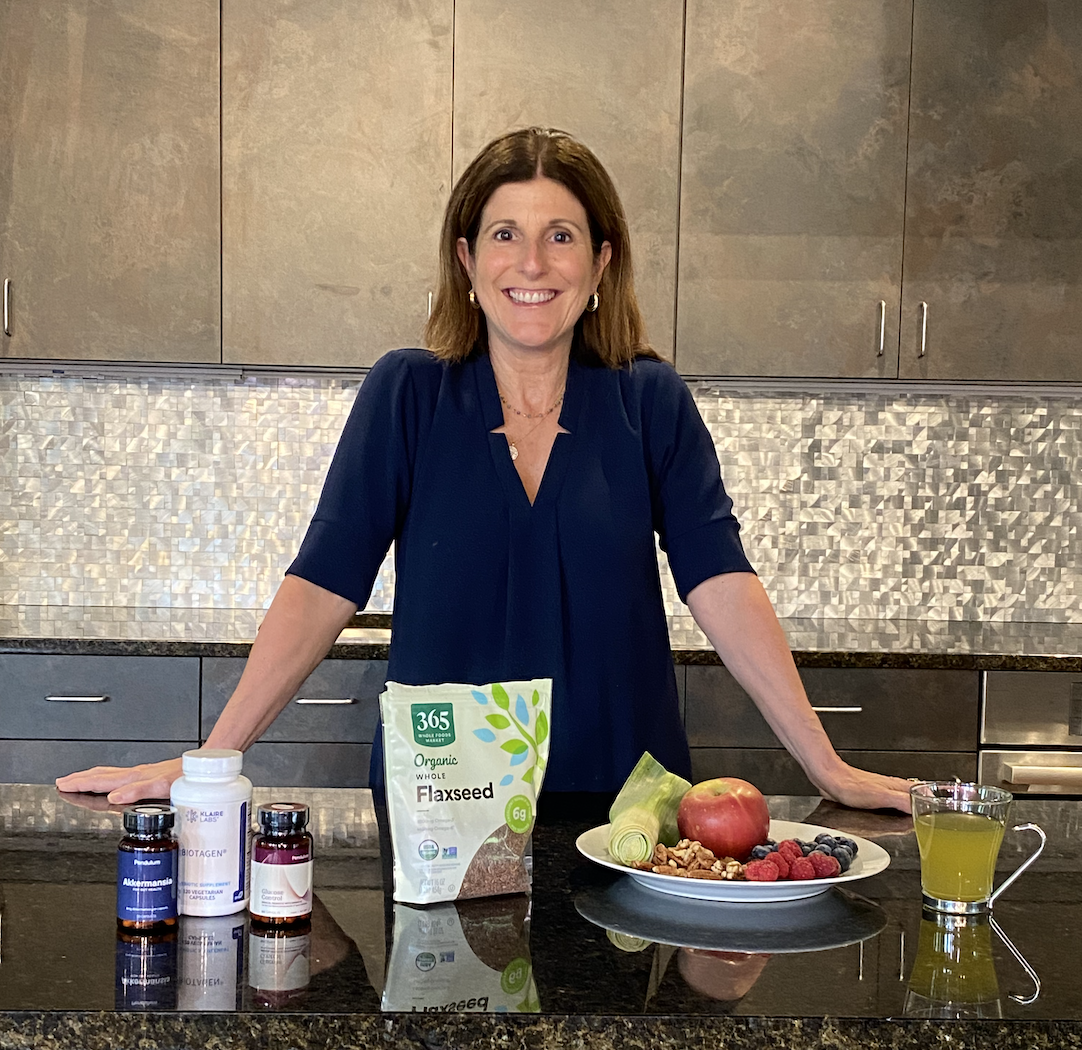
[caption id="attachment_4067" align="alignleft" width="251"] Dr. Nancy Palermo[/caption] In the past 15 years, there has been a great deal of attention on the gut microbiome. In fact, since 2013 there have been over 19,000 published papers on this topic. If you search PubMed you can see that numerous studies have shown associations of the microbiome with disorders like obesity, diabetes mellitus, autoimmune disorders, cancers, liver disease, inflammatory bowel disease, and even neurodegenerative diseases like Alzheimer’s. Recent genetic tools like DNA sequencing have helped researchers further characterize the composition of microbes in the gut and successfully delineated their specific roles. In 2004 researchers first isolated a gram-negative anaerobe called Akkermansia mucinophila in the Netherlands. They now know a great deal more about this gut bacteria and what they have learned...

How Does Alcohol Affect Gut Health?

Overindulging in alcohol damages a variety of bodily functions from your liver to your mental health. An often overlooked area affected by alcohol is your gut. But how exactly does alcohol affect your gut and what are the signs your gut isn’t happy with how much you’re drinking?   Alcohol and the Gut   Gut health is about more than your stomach–it can impact your mind, immune system, the risk level for certain types of cancer, and more. Basically, it’s one of the major determinants of health in your body.   When you drink alcohol, it can affect your gut health in two primary ways. First, once it's metabolized, it will enter the small intestine and decrease intestinal permeability. This can lead to a leaky gut syndrome, a condition that can...

Subscribe!